cnnnews18's Power Monitor: Global Diplomacy, Economic Shocks, and Political Upheavals Dominate April 28 Roundup


Global tensions rise as King Charles III prepares for a pivotal state visit to the U.S., while Viktor Orban’s defeat reshapes Hungary’s stance on Ukraine. In Washington, Donald Trump’s administration faces fresh scrutiny over First Amendment concerns following ABC’s firing of Jimmy Kimmel. Meanwhile, India’s economic outlook darkens amid food inflation and crude oil spikes, with the monsoon’s fate hanging in the balance. These developments frame today’s curated roundup of the most consequential stories from cnnnews18’s Press Monitor.
Top Political News, Issues and People
King Charles III’s U.S. State Visit: Diplomacy at a Crossroads
King Charles III’s upcoming state visit to the U.S. is emerging as a defining moment for U.S.-UK relations, with analysts suggesting the monarch could play a pivotal role in repairing strained ties between Washington and London. The visit, set against the backdrop of a joint session of Congress, is framed as a potential reset for diplomatic relations that have been tested by geopolitical shifts and differing strategic priorities. U.S.-UK Relations and King Charles' Speech [128s] dissects the historical precedents for such visits and the symbolic weight of Charles’ address, which may touch on themes of shared heritage, NATO cohesion, and the Magna Carta’s enduring legacy in modern governance.
The visit comes at a time when both nations are navigating complex internal and external pressures. In the U.S., the political landscape is dominated by Donald Trump’s administration, which has taken a hardline stance on issues ranging from trade to international alliances. Meanwhile, the UK grapples with post-Brexit economic challenges and the evolving role of the monarchy in global diplomacy. King Charles' State Visit and Political Dynamics [390s] delves into the geopolitical significance of the visit, exploring how Charles’ presence could influence U.S. perceptions of the UK and vice versa. The analysis also examines the potential for the visit to either exacerbate or mitigate tensions, particularly in light of recent disagreements over NATO commitments and trade policies.
Hungary’s Viktor Orban Falls: A Geopolitical Domino Effect
The political earthquake in Hungary, marked by Viktor Orban’s defeat, is sending ripples across Europe and beyond. Orban, long a vocal critic of EU foreign policy and a skeptic of military support for Ukraine, has seen his influence wane following a decisive electoral loss. The shift in power has immediate implications for Hungary’s stance on the Ukraine war, with new leadership signaling a potential thaw in relations with Kyiv. Orban Defeat and Ukraine Support [58s] unpacks the fallout from Orban’s defeat, including the release of a $90+ billion loan to Ukraine—a move that underscores the EU’s shifting priorities in the region.
The defeat also raises questions about the future of Hungary’s relationship with NATO and the EU. Analysts suggest that Orban’s ouster could pave the way for a more unified European response to the Ukraine conflict, particularly in areas like energy security and military aid. However, the transition of power is not without risks. Hungary’s political landscape remains deeply divided, and the new government will need to navigate a delicate balance between domestic expectations and international obligations. The geopolitical implications of Orban’s defeat extend beyond Hungary, potentially reshaping the dynamics of Eastern Europe and the broader transatlantic alliance.
Donald Trump’s First Amendment Showdown
The Trump administration’s decision to call for ABC’s firing of comedian Jimmy Kimmel over a joke targeting the age gap between President Trump and First Lady Melania Trump has ignited a firestorm of debate over free speech and political accountability. Trump Targets Jimmy Kimmel Over White House Correspondents' Dinner Joke [334s] examines the administration’s response to Kimmel’s remarks, which were delivered at the White House Correspondents’ Dinner. The segment explores the broader implications of the administration’s stance on First Amendment rights, particularly in an era of heightened political polarization.
The controversy has also highlighted the role of media organizations in shaping public discourse. ABC’s decision to fire Kimmel has drawn criticism from free speech advocates, who argue that the move sets a dangerous precedent for government interference in media content. Meanwhile, supporters of the administration view the decision as a necessary step to hold comedians and media personalities accountable for their remarks. The segment includes reactions from political figures, including House Minority Leader Hakeem Jeffries and FCC Commissioner Caroline Levitt, who weigh in on the constitutional and ethical dimensions of the dispute.
West Bengal’s High-Stakes Election: BJP vs. TMC
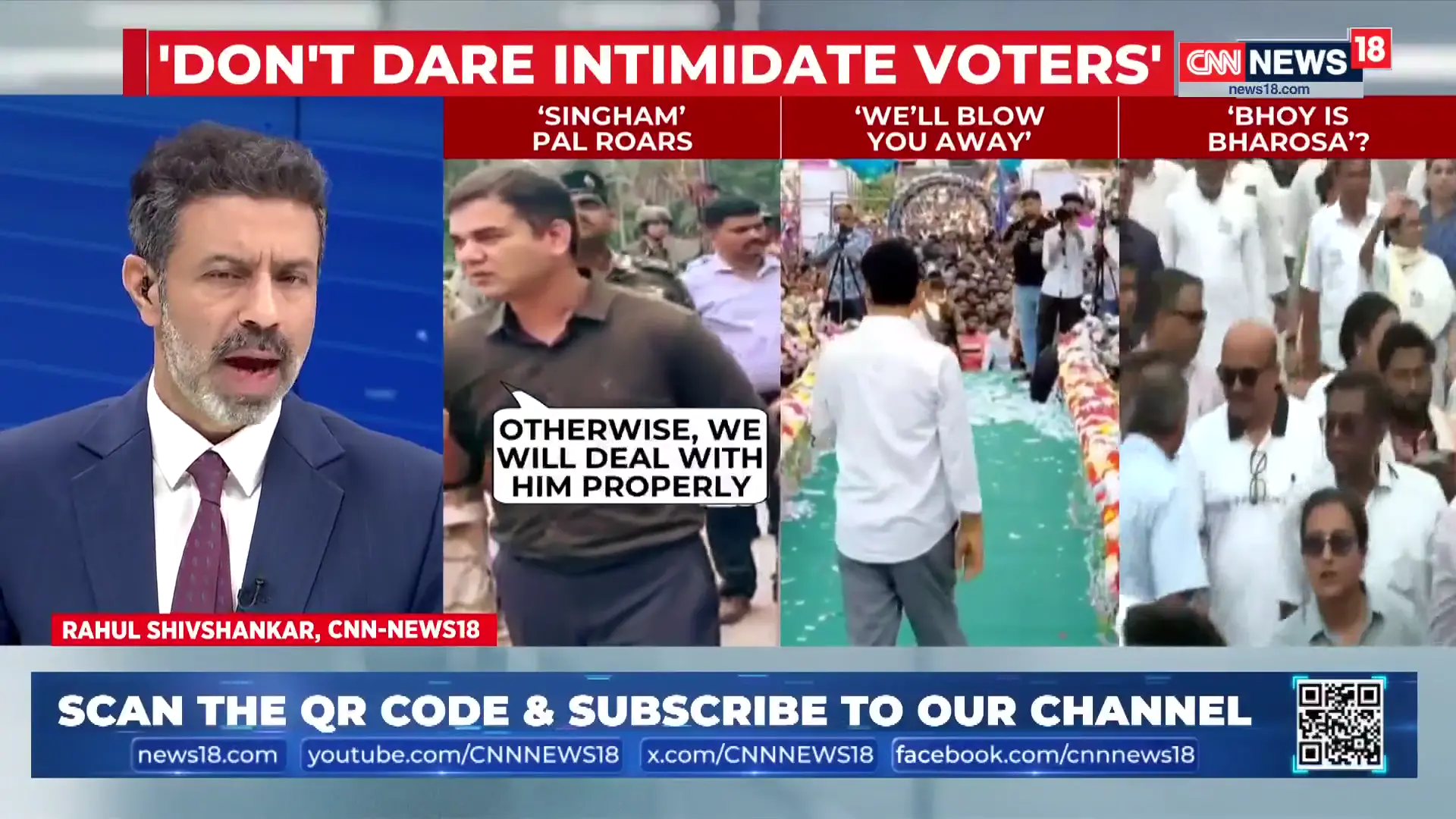
West Bengal’s 2026 election is shaping up to be a defining moment for Indian politics, with the Bharatiya Janata Party (BJP) and the Trinamool Congress (TMC) locked in a fierce battle for dominance. BJP vs TMC: Bengal Election Implications [9s] and West Bengal Election Analysis: BJP vs TMC Dominance [54s] provide a comprehensive overview of the political landscape, focusing on voter behavior, regional dynamics, and the role of Mamata Banerjee in shaping the TMC’s electoral strategy. The segments also examine the BJP’s efforts to challenge the TMC’s regional stronghold, including the deployment of security forces and the use of polarizing rhetoric.
The election is taking place against a backdrop of heightened tensions, with reports of voter intimidation and security concerns dominating the discourse. The Election Commission of India has rolled out extensive security measures to ensure a free and fair poll, but analysts warn that the political climate remains volatile. The outcome of the election could have far-reaching implications for India’s federal structure, particularly in light of the BJP’s push for a more centralized governance model. Meanwhile, Mamata Banerjee’s future hangs in the balance, with speculation rife about her potential role in national politics if the TMC retains its dominance in Bengal.
Top Business News, Issues and People
India’s Economic Crisis: Inflation, Oil Prices, and the Monsoon Wildcard
India’s economic outlook is growing increasingly precarious, with food inflation soaring and crude oil prices surging toward $100 per barrel. The World Meteorological Organization’s latest report warns of a potential Super El Niño event, which could disrupt the monsoon and exacerbate food shortages. India's Economic Challenges and Monsoon Outlook [535s] provides a detailed analysis of the challenges facing the Indian economy, including the impact of rising energy costs on inflation and the potential for a slowdown in economic growth.
The segment also explores the role of Western disturbances in shaping India’s weather patterns and the broader implications for agricultural output. With 37% of the consumer price index driven by food inflation, policymakers are under pressure to implement measures to stabilize prices and ensure food security. The monsoon’s performance will be critical in determining the trajectory of India’s economy in the coming months, with a weak monsoon potentially triggering a humanitarian crisis in rural areas.
OPEC in Turmoil: UAE’s Exit and the Global Oil Market
The global oil market is in disarray following the United Arab Emirates’ (UAE) unexpected decision to withdraw from OPEC. The move, driven by internal disagreements over production quotas and geopolitical tensions, has raised concerns about the stability of global energy supplies. UAE's OPEC Exit: Strategic Energy Shift Analysis [44s] and OPEC and Global Oil Market Disruption [114s] examine the implications of the UAE’s exit, including its potential to trigger a price war and disrupt oil markets in the Gulf region.
Analysts suggest that the UAE’s decision reflects broader geopolitical tensions within OPEC, particularly between Saudi Arabia and other member states. The UAE has long been a key player in OPEC, and its departure could weaken the cartel’s ability to coordinate production cuts and stabilize prices. The segment also explores the UAE’s long-term energy strategy, including its plans to expand production and diversify its economy away from oil. However, the move has raised questions about the cartel’s cohesion and its ability to respond to future supply shocks.
Pakistan’s Crude Oil Shortage: A Looming Economic Collapse
Pakistan is teetering on the brink of an economic collapse as its crude oil reserves dwindle to just five to seven days’ supply. Pakistan Crude Oil Shortage Crisis [3s] reports on the crisis, which has been exacerbated by geopolitical tensions and supply chain disruptions. The shortage has triggered panic among policymakers, who are scrambling to secure alternative sources of energy and stabilize the country’s economy.
The crisis underscores Pakistan’s vulnerability to external shocks, particularly in the energy sector. With inflation already at record highs and the rupee in freefall, the government’s inability to address the oil shortage could trigger a full-blown economic meltdown. Analysts warn that the situation could spiral further if the government fails to implement urgent reforms, including reducing subsidies and attracting foreign investment.
India’s Aviation Crisis: Government Steps In
India’s aviation industry is in freefall, with airlines struggling to stay afloat amid rising fuel costs, regulatory hurdles, and a severe shortage of pilots. The government has proposed a ₹5,000 crore relief package to bail out the sector, but industry experts warn that the measures may not be enough to prevent a collapse. Government Response to Aviation Crisis [75s] examines the government’s intervention, including its plans to provide financial support and streamline regulatory processes.
The segment also highlights the broader economic implications of the aviation crisis, including its impact on tourism, trade, and employment. With airlines like Kingfisher Airlines facing collapse, the government’s response will be critical in determining the future of India’s aviation sector. Experts suggest that a combination of financial aid, regulatory reforms, and strategic investments will be necessary to revive the industry and restore investor confidence.
Top Sports News, Issues and People
No sports coverage selected in today’s roundup.
Other Top News, Issues and People
Iran-U.S. Negotiations: A Stalled Process
The Trump administration’s stance on Iran’s nuclear negotiations is coming under increasing scrutiny, with critics arguing that the administration’s hardline approach has undermined diplomatic efforts. Iran-US Negotiations: Trump and Iran's Leadership Struggles [119s] examines the latest developments in the negotiations, including the role of the Strait of Hormuz in shaping Iran’s strategic calculus. The segment also explores the credibility of proposed deals and the potential for a breakthrough in the coming months.
The negotiations are taking place against a backdrop of heightened tensions, with Iran’s leadership facing internal pressure to adopt a more assertive stance. Meanwhile, the U.S. administration’s decision to reimpose sanctions has further complicated the diplomatic process. Analysts warn that the stalemate could trigger a military escalation, with both sides accusing the other of bad faith and provocative actions.
Jamia University Protests: Security and Free Speech
Student protests at Jamia Millia Islamia University in Delhi have escalated into a major flashpoint, with Delhi Police filing a 5,000-page charge sheet against 18 members of the India Youth Congress for alleged conspiracy during an AI summit protest. Delhi Police charge sheet against India Youth Congress [37s] provides a detailed account of the legal proceedings, including the charges leveled against the accused and the potential implications for free speech on university campuses.
The protests, which began as a response to an RSS-affiliated event, have highlighted tensions between student activists and right-wing organizations. Jamia University protest and RSS event coverage [53s] offers an exclusive look at the events leading up to the protests, including the role of security forces and the university administration in managing the crisis. The segment also features testimonies from students and faculty, who describe the escalating tensions and the impact of the protests on academic life.
U.S. Presidential Succession: Lessons from the White House Correspondents’ Dinner
The White House Correspondents’ Dinner incident, where gunfire erupted during the event, has reignited debates about presidential succession protocols. White House Correspondents Dinner: Succession Crisis Coverage [77s] and U.S. Presidential Succession and Designated Survivor Protocol [244s] examine the constitutional and political implications of the incident, including the absence of key officials and the designated survivor protocol. The segments also compare U.S. succession practices with those of other nations, such as Britain, to highlight the strengths and weaknesses of the current system.
The incident has raised questions about the preparedness of the U.S. government in the event of a crisis, particularly in light of the ongoing political polarization and the erosion of public trust in institutions. Analysts suggest that the episode underscores the need for comprehensive succession planning, including regular drills and clear lines of authority.
Ukraine-Russia War: Escalating Tensions
The Ukraine-Russia war continues to escalate, with reports of daytime drone attacks and refinery fires adding to the humanitarian and economic toll of the conflict. Ukraine-Russia Conflict Updates [35s] provides the latest updates on the ground, including the impact of the attacks on civilian infrastructure and the broader geopolitical implications of the escalation.
The conflict has also triggered a state of emergency in several regions, with both sides accusing the other of violating ceasefire agreements. Analysts warn that the escalation could trigger a wider regional conflict, particularly in light of the involvement of external actors like Turkey and Iran.
Australia’s Tech Tax Proposal: A Global Precedent?
Australia is considering a groundbreaking tax on tech giants like Meta, Google, and TikTok to compensate local publishers for news content. Australia Tech Giants Tax Proposal [12s] examines the proposal, which aims to address the imbalance in revenue sharing between digital platforms and traditional media outlets. The segment also explores the potential for the tax to set a global precedent, with other countries considering similar measures to regulate the tech industry.
Critics argue that the tax could stifle innovation and deter investment in the tech sector, while supporters view it as a necessary step to protect local journalism and ensure a level playing field. The debate reflects broader tensions between governments and tech companies over issues like data privacy, content moderation, and market dominance.
Aviation Crisis: Expert Analysis
The collapse of India’s aviation industry has prompted a wave of expert analysis, with industry veterans like Parvez Damania and YN Sharma offering insights into the root causes of the crisis and potential solutions. Expert Analysis on Aviation Crisis [155s] features interviews with aviation experts, who discuss the severity of the crisis, the role of government intervention, and the long-term prospects for the sector.
The segment highlights the structural challenges facing India’s aviation industry, including high fuel costs, regulatory hurdles, and a shortage of skilled labor. Experts suggest that a combination of financial aid, regulatory reforms, and strategic investments will be necessary to revive the industry and restore investor confidence.
Press Monitor Clips: U.S.-UK Relations and King Charles' Speech; King Charles' State Visit and Political Dynamics; Orban Defeat and Ukraine Support; Trump Targets Jimmy Kimmel Over White House Correspondents' Dinner Joke; India's Economic Challenges and Monsoon Outlook; UAE's OPEC Exit: Strategic Energy Shift Analysis; Pakistan Crude Oil Shortage Crisis; Delhi Police charge sheet against India Youth Congress; White House Correspondents Dinner: Succession Crisis Coverage; Expert Analysis on Aviation Crisis