cnnnews18's Power Monitor: Global Tensions, Economic Shifts and Electoral Battles Dominate March 28 Roundup


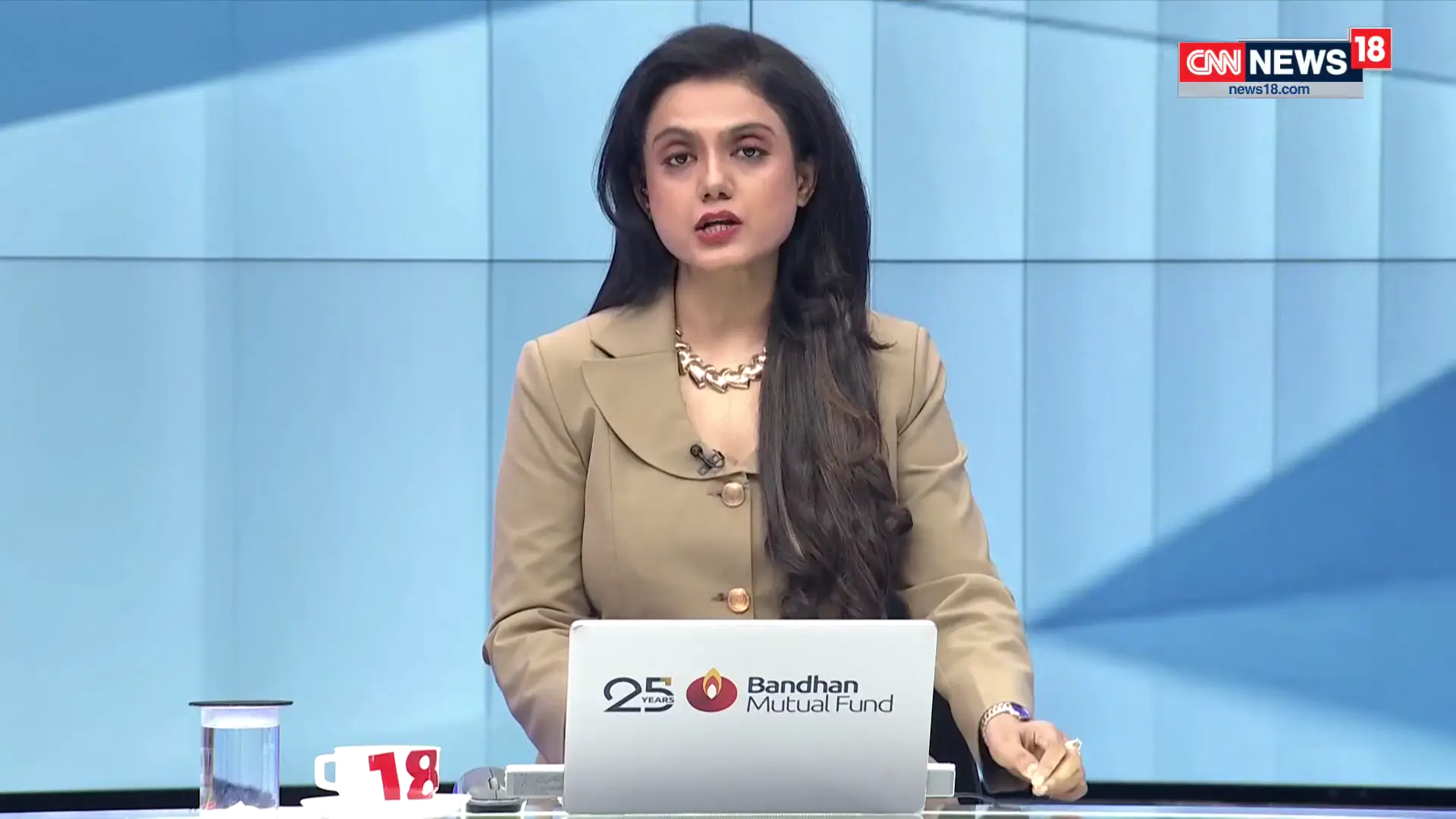
The world woke up to a geopolitical powder keg on March 28, 2026, as escalating conflicts in West Asia collided with domestic political storms in India and the United States. From the Strait of Hormuz to the streets of Murshidabad, from Kerala’s election battlefield to the corridors of US power, the day’s coverage revealed a planet straining under multiple crises. cnnnews18’s curated roundup captures the breadth of these developments, weaving together live protests, diplomatic maneuvering, electoral strategy and humanitarian fallout into a single, coherent narrative of a world in flux.
Global Geopolitics: West Asia on the Brink
The Israel-U.S.-Iran war dominated global headlines, with the conflict escalating to new levels of intensity. Heavy strikes across the region were met with Iranian retaliation, while diplomatic efforts struggled to keep pace with the humanitarian toll. Benjamin Netanyahu’s government faced mounting pressure as strikes intensified, with regional mediators scrambling to find an off-ramp. The war’s ripple effects extended beyond the battlefield, disrupting global energy markets and threatening critical shipping lanes through the Bab al-Mandeb Strait and Red Sea.
Iran’s threats to impose a 2 million toll on ships transiting the Strait of Hormuz added another layer of volatility to an already fragile situation. The move, seen as a strategic lever to pressure regional rivals and global powers alike, underscored Iran’s determination to assert control over a critical chokepoint for global oil supplies. Analysts warned that such actions could trigger a broader regional conflict, with implications for energy prices and global economic stability.
Meanwhile, Yemen’s Iran-backed Houthis launched a missile strike on Israel—the first such attack since the war began. The strike, which followed a series of regional provocations, raised fears of further escalation and drew international condemnation. The geopolitical chessboard in West Asia grew more complex as Saudi Arabia’s airbase came under attack, and diplomatic efforts mediated by Pakistan faced skepticism over the country’s acceptability as a neutral negotiator.
Diplomatic Chessboard: India and the US in the Crosshairs
Prime Minister Narendra Modi’s diplomatic engagement with Saudi Arabia’s Crown Prince Mohammed bin Salman took center stage as India sought to navigate the West Asia conflict. The two leaders discussed regional stability and strategic partnerships, with India emphasizing its condemnation of attacks on energy infrastructure. The conversation highlighted India’s delicate balancing act between its energy security needs and its desire to play a constructive role in regional diplomacy.
In Washington, the Trump administration faced a congressional report that exposed Pakistan’s deep-rooted terror networks, including ties to militant groups active since the 1980s. The report, which categorized terror groups into five distinct types, raised serious questions about Pakistan’s suitability as a mediator in the West Asia conflict. Congressional critics argued that Pakistan’s record as a state sponsor of terrorism undermined its credibility, while the administration defended its diplomatic engagement with Islamabad.
The report’s findings reverberated across South Asia, with India’s Ministry of External Affairs reiterating its stance that Pakistan’s role in terrorism made it an unsuitable partner for regional peace efforts. The diplomatic fallout highlighted the growing divide between Washington’s strategic interests and its domestic political pressures, as the administration grappled with the implications of the congressional findings.
India’s Electoral Battleground: West Bengal, Kerala and Beyond
India’s political landscape was dominated by the looming assembly elections in West Bengal, Kerala, Tamil Nadu, and Assam. In West Bengal, the BJP and Trinamool Congress (TMC) engaged in a bitter tit-for-tat over corruption allegations, with the BJP releasing a 15-point charge sheet against Chief Minister Mamata Banerjee’s government. The charge sheet, which accused the TMC of corruption and law-and-order failures, was met with a counter-charge sheet from the TMC, setting the stage for a contentious electoral battle.
Amit Shah, India’s Union Home Minister, accused Mamata Banerjee of ‘brazen appeasement politics’ and ‘playing the victim card,’ while the TMC countered with allegations of BJP’s divisive tactics. The political rhetoric reached fever pitch as both sides traded barbs over the Noida Airport project, with the BJP accusing the TMC of delaying the project for electoral gain. The escalating tensions reflected the high stakes of the upcoming elections, with both parties mobilizing their bases for a decisive showdown.
In Kerala, the Left Democratic Front (LDF) and Congress Party clashed over the state’s 10-year anti-incumbency sentiment. Chief Minister Pinaray Vijayan faced challenges from Congress’s Rahul Gandhi, who sought to capitalize on public dissatisfaction with the LDF’s governance. The debate over development claims and welfare initiatives dominated the campaign trail, with both sides accusing the other of misrepresenting their records. The election, seen as a litmus test for Vijayan’s leadership, highlighted the broader struggle between left-wing and centrist politics in India’s southern states.
Kerala’s electoral dynamics were further complicated by the Sabarimala temple issue, which continued to polarize communities. The Congress Party’s strategy to reclaim power hinged on its ability to address anti-incumbency sentiment while navigating the sensitive issue of religious identity. Meanwhile, the DMK’s candidate list for Tamil Nadu’s assembly elections reflected a focus on grassroots representation and diversity, signaling the party’s determination to consolidate its support base ahead of the polls.
In Assam, the BJP’s chief ministerial candidate and Union Home Minister Avichra outlined the party’s strategy for the upcoming elections. The BJP’s campaign rhetoric emphasized electoral victories, law enforcement, and development claims, with a focus on mobilizing the electorate in a state known for its political volatility. The party’s efforts to project itself as the champion of development and stability were met with skepticism by opposition parties, who accused the BJP of using divisive tactics to secure electoral gains.
Economic Shifts: Digital Payments and Energy Security
India’s digital payments revolution continued to gather momentum, with platforms like UPI transforming the financial landscape for millions of users. The story of financial inclusion was told through the lens of merchants and users, who described how digital payments had democratized access to formal financial services. Interviews with PhonePay’s Yuvraj Singh Shekhawat and Deep Agrawal highlighted the role of UPI in reducing reliance on cash and improving financial convenience for small business owners and marginalized communities.
The segment on India’s financial inclusion journey underscored the challenges of accessibility and awareness, particularly for people at the bottom of the income spectrum. Despite the rapid adoption of digital payments, many users still faced barriers such as security concerns and a lack of financial literacy. The coverage emphasized the need for continued investment in digital infrastructure and consumer education to ensure that the benefits of financial inclusion were accessible to all.
Energy security remained a critical concern, with India’s LPG supply chain facing pressure from global disruptions. CNN News18’s exclusive investigation into LPG carriers’ voyage clearance revealed the complexities of India’s energy logistics, as domestic supply pressures threatened to disrupt retail cooking gas availability. The segment highlighted the importance of strategic partnerships and robust supply chains in ensuring energy security for a growing economy.
Sports and Culture: Leadership and Aspirations
In the world of sports, the Indian cricket team’s leadership and Olympic aspirations took center stage. Surya Khubaryadav, the team’s captain, discussed his vision for the 2028 LA Olympics and 2036 Olympics, emphasizing the importance of team motivation and grassroots development. His interview provided a glimpse into the challenges and opportunities facing Indian sports, as the country sought to build on its recent successes and position itself as a global contender.
Meanwhile, the Amazon Cricket Team’s decision to skip the first two weeks of the 2026 IPL due to a calf strain injury underscored the physical demands of professional cricket. The news, which followed MS Dhoni’s similar injury, highlighted the risks and uncertainties faced by athletes at the highest level. The coverage reflected the broader challenges of sports management, as teams balanced competitive ambitions with player welfare.
Humanitarian and Social Issues: From Alzheimer’s to Communal Tensions
The day’s coverage also addressed pressing social and humanitarian issues. A comprehensive segment on Alzheimer’s disease explored its prevalence, causes, and impact on global and Indian populations. The segment provided valuable insights into the challenges faced by patients and caregivers, while emphasizing the importance of early diagnosis and support systems.
In West Bengal, communal tensions flared during Ram Navami processions in Murshidabad district, leading to clashes and violence. The situation escalated into a full-blown crisis, with authorities deploying RAF and paramilitary forces to restore order. The coverage highlighted the fragility of communal harmony in a state known for its political and social diversity, while underscoring the role of law enforcement in preventing further escalation.
The Save Soil movement, led by environmental activist Sadhguru, also garnered attention as it called for policy changes to address soil degradation and promote sustainable agriculture. The movement’s global scale and Sadhguru’s journey were highlighted in an interview, which emphasized the need for collective action to protect the environment and ensure food security for future generations.
Press Monitor Clips:
-
CNN Live Coverage of No Kings Protests
-
Kerala Election 2026: Congress vs Left Front Debate
-
CNN News 18 Mega Exclusive: Follow-Up on LPG Carriers and Energy Supply
-
West Asia Conflict Escalation and Diplomatic Off-Ramps
-
Save Soil Movement: Policy Change for Sustainable Agriculture
-
Union Home Minister Avichra Interview on Assam Politics
-
Digital Payments Revolution: UPI's Impact on Financial Inclusion
-
West Bengal Violence: Ram Navami Clashes Escalate
-
Coimbatore: Ground Reality of Extremism Claims
-
MS Dhoni's Calf Strain Misses IPL First Two Weeks