Global Flashpoints: Iran-U.S. Tensions Dominate Headlines as Diplomatic Deadlock Deepens


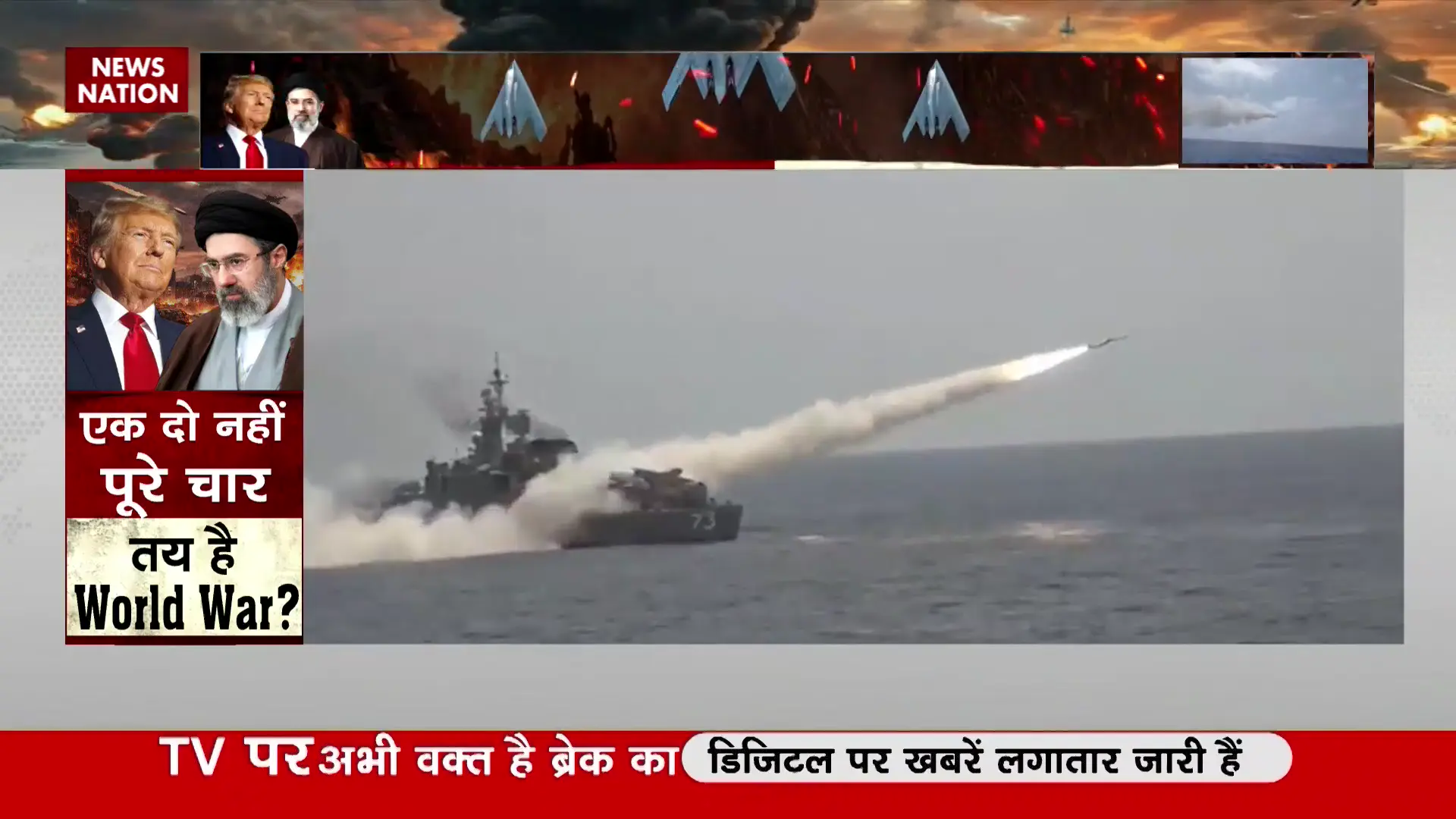
Escalating tensions between Iran and the United States dominated global headlines on April 28, 2026, as diplomatic deadlocks, military posturing, and economic threats converged to create one of the most volatile geopolitical landscapes in decades. From the Strait of Hormuz to the halls of Washington, the risk of direct conflict has never felt more immediate, with analysts warning that miscalculation could plunge the Middle East—and the world—into a broader war.
Nuclear Brinkmanship and Blockade Threats
At the heart of the crisis is Iran’s nuclear program, which remains a flashpoint despite decades of international negotiations. The Trump administration has issued stark warnings, framing Iran’s actions as an existential threat and vowing to prevent Tehran from acquiring nuclear weapons. Meanwhile, Iran has threatened to blockade the Strait of Hormuz—a critical chokepoint for global oil supplies—if faced with military action. The Hormuz Strait, through which nearly 20% of the world’s oil passes, has become the epicenter of a potential economic and military catastrophe.
Panel discussions on April 28 highlighted the fragility of diplomatic efforts, with experts noting that Iran’s leadership has repeatedly rejected U.S. offers for negotiations. ‘The window for diplomacy is closing fast,’ said one analyst. ‘Both sides are operating on the assumption that the other will blink first, and that’s a dangerous game.’ The Trump administration’s strategy appears to hinge on a combination of economic pressure and military deterrence, but the risk of escalation is palpable.
Israel’s Shadow in the Conflict
The Iran-Israel conflict has also taken center stage, with Iran-backed groups like Hezbollah and Hamas playing increasingly active roles. Israel’s military has conducted strikes against Iranian targets in Syria and Lebanon, raising fears of a broader regional war. Analysts warn that any direct confrontation between Israel and Iran could drag the U.S. into the fray, given Washington’s unwavering support for Tel Aviv. ‘The Middle East is a tinderbox,’ said a geopolitical analyst. ‘One wrong move, and the region could be engulfed in flames.’
Economic Fallout and Energy Markets
The economic implications of a potential conflict are staggering. Iran’s control over the Strait of Hormuz gives it significant leverage over global oil markets, and any disruption could send crude prices soaring. The U.S. has deployed aircraft carriers and naval assets to the region, signaling its determination to keep the strait open. Meanwhile, Iran has hinted at using its ‘supply card’—a strategy to disrupt oil flows through targeted attacks on pipelines and tankers. ‘This is not just a military crisis,’ said an energy analyst. ‘It’s an economic crisis in the making.’
Domestic Political Pressures
The crisis has also exposed deep divisions within the U.S. political landscape. Former UN Ambassador Nikki Haley has been vocal in her criticism of the administration’s handling of the Iran file, arguing that a more aggressive stance is needed to deter Tehran. Meanwhile, domestic issues in India and Pakistan have taken a backseat as regional leaders grapple with the fallout from the crisis. In West Bengal, election security has become a major concern, with the National Investigation Agency (NIA) deploying additional personnel to polling stations.
What’s Next?
As the diplomatic deadlock persists, the world watches with bated breath. The next 72 hours could be decisive, with analysts warning that any misstep—whether in Tehran, Washington, or Jerusalem—could trigger a chain reaction with global consequences. The question on everyone’s mind is simple: Will cooler heads prevail, or are we hurtling toward a conflict that could reshape the geopolitical order for generations to come?
Top Political News, Issues and People
news-nation’s Best Political Coverage: Escalating Iran-U.S. tensions test global diplomacy
Trump’s Hardline Stance on Iran
Former President Donald Trump has emerged as the most prominent voice in the U.S. response to Iran, framing the crisis as a defining challenge of his administration. In a series of panel discussions, Trump’s warnings about Iran’s nuclear ambitions and its threats to the Strait of Hormuz were a recurring theme. Analysts note that Trump’s rhetoric has hardened over the past year, with the former president repeatedly stating that Iran ‘will not be allowed to have nuclear weapons’ and vowing to take military action if necessary.
The Trump administration’s strategy appears to be a blend of economic pressure and military deterrence. However, experts warn that the administration’s approach is fraught with risk. ‘Trump’s strategy is based on the assumption that Iran will back down under pressure,’ said a Middle East analyst. ‘But Iran has shown time and again that it is willing to absorb pain rather than capitulate.’
Diplomatic Deadlock Deepens
Diplomatic efforts to resolve the crisis have stalled, with Iran rejecting U.S. offers for negotiations. The latest round of talks, held in Doha, ended without progress, leaving both sides more entrenched than ever. ‘The diplomatic process is dead in the water,’ said a former U.S. diplomat. ‘Neither side is willing to make the concessions needed to break the deadlock.’
The Trump administration has accused Iran of ‘buying time’ to advance its nuclear program, while Tehran has dismissed U.S. offers as ‘insincere’ and ‘designed to humiliate Iran.’ The lack of trust between the two sides has made even the most basic confidence-building measures nearly impossible.
Iran’s Military Posturing
Iran’s military has been on high alert, with the Islamic Revolutionary Guard Corps (IRGC) conducting drills and deploying assets to the Strait of Hormuz. Analysts warn that Iran’s military strategy is designed to deter U.S. aggression while also signaling its resolve to defend its interests. ‘Iran’s military posturing is not just about deterrence,’ said a military analyst. ‘It’s also about sending a message to the U.S. and its allies that Iran is prepared to fight if necessary.’
The IRGC has also threatened to target U.S. naval assets in the region, including aircraft carriers. ‘The U.S. cannot project power in the Gulf without facing consequences,’ said an IRGC commander. ‘We are ready to respond to any aggression with overwhelming force.’
Israel’s Role in the Crisis
Israel has been a key player in the crisis, conducting strikes against Iranian targets in Syria and Lebanon. Prime Minister Benjamin Netanyahu has warned that Israel will not tolerate Iran’s military presence on its borders, and the country’s military has been on high alert. ‘Israel’s actions are a clear signal to Iran that it will not stand idly by as Tehran expands its influence in the region,’ said an Israeli analyst.
The risk of a direct confrontation between Israel and Iran has raised fears of a broader regional war. Analysts warn that any such conflict could draw in the U.S., given Washington’s close ties with Israel. ‘The Middle East is a powder keg,’ said a regional expert. ‘One spark, and the whole region could go up in flames.’
Domestic Political Fallout
The crisis has also exposed deep divisions within the U.S. political landscape. Former UN Ambassador Nikki Haley has been a vocal critic of the administration’s handling of the Iran file, arguing that a more aggressive stance is needed to deter Tehran. Haley’s comments have resonated with hawks in the Republican Party, who see the crisis as an opportunity to push for a more confrontational approach to Iran.
Meanwhile, domestic issues in India and Pakistan have taken a backseat as regional leaders grapple with the fallout from the crisis. In West Bengal, election security has become a major concern, with the National Investigation Agency (NIA) deploying additional personnel to polling stations. ‘The NIA’s role in ensuring free and fair elections is critical,’ said a local official. ‘We cannot afford any disruptions.’
Press Monitor Clips: Iran-U.S. Conflict: Full Coverage and Analysis; Iran-Israel War Narrative; U.S.-Iran Tensions: Nuclear Program and Hormuz Blockade
Top Business News, Issues and People
news-nation’s Best Business Coverage: Geopolitical risks roil energy markets and global trade
Strait of Hormuz: The World’s Most Critical Chokepoint
The Strait of Hormuz has become the epicenter of a potential economic and military catastrophe. Nearly 20% of the world’s oil passes through the strait, and any disruption could send crude prices soaring. The U.S. has deployed aircraft carriers and naval assets to the region, signaling its determination to keep the strait open. Meanwhile, Iran has hinted at using its ‘supply card’—a strategy to disrupt oil flows through targeted attacks on pipelines and tankers.
Analysts warn that the economic implications of a potential conflict are staggering. ‘This is not just a military crisis,’ said an energy analyst. ‘It’s an economic crisis in the making.’ The disruption of oil flows from the Strait of Hormuz could trigger a global supply shock, pushing crude prices above $150 per barrel and triggering a recession in oil-importing countries.
Iran’s Economic Leverage
Iran’s economic leverage over the U.S. and its allies is a key factor in the crisis. Iran’s control over the Strait of Hormuz gives it significant leverage over global oil markets, and any disruption could send crude prices soaring. The U.S. has imposed crippling economic sanctions on Iran, but Tehran has found ways to circumvent them, including through its oil exports to China and other Asian countries.
Analysts warn that Iran’s economic resilience could embolden its leadership to take more aggressive actions. ‘Iran has shown that it can absorb economic pain,’ said an economist. ‘That resilience could make it more willing to take risks in the military sphere.’
U.S. Military Posturing and Its Economic Costs
The U.S. has deployed aircraft carriers, naval assets, and thousands of troops to the Middle East, signaling its determination to deter Iran. However, the economic costs of such a deployment are significant. The U.S. Navy’s Fifth Fleet, based in Bahrain, is already stretched thin, and the deployment of additional assets could strain the Pentagon’s budget.
Analysts warn that the military posturing could also trigger a broader economic crisis. ‘The longer this crisis drags on, the greater the risk of a global economic slowdown,’ said a financial analyst. ‘Oil prices are already volatile, and any disruption could trigger a recession.’
India’s Banking Sector: A Rare Bright Spot
Amid the geopolitical turmoil, India’s banking sector has emerged as a rare bright spot. State Bank of India (SBI), the country’s largest lender, has continued to expand its services, positioning itself as ‘the banker to every Indian.’ Analysts credit SBI’s strong financial performance and its focus on digital innovation for its resilience in the face of economic headwinds.
SBI’s CEO, Sahep Rajoja, recently sat down for an interview to discuss the bank’s strategy. ‘We are committed to supporting India’s economic growth,’ said Rajoja. ‘Our focus is on innovation, customer service, and financial inclusion.’
Oil Price Volatility and Its Global Impact
The rise in Iran’s crude oil prices has added to the volatility in global energy markets. Analysts warn that any further escalation in the crisis could trigger a supply shock, pushing crude prices above $150 per barrel. ‘The oil market is already jittery,’ said an energy analyst. ‘Any disruption in the Strait of Hormuz could send prices soaring.’
The economic fallout from such a shock could be severe, particularly for oil-importing countries like India and China. ‘A spike in oil prices would hit consumers hard,’ said an economist. ‘It could also trigger a global recession.’
Press Monitor Clips: Iran-U.S. Strait of Hormuz Analysis; Economic Threats and Strategic Implications; SBI Banker Interview
Top Sports News, Issues and People
There were no sports stories selected for today’s roundup.
Other Top News, Issues and People
news-nation’s Best in Other Coverage: Military escalation and strategic threats dominate global headlines
Hezbollah and Iran’s Military Network
Hezbollah, the Iran-backed militant group, has become a key player in the escalating tensions between Iran and the U.S. Analysts warn that Hezbollah’s military capabilities, combined with Iran’s support, pose a significant threat to regional stability. ‘Hezbollah’s role in the crisis cannot be overstated,’ said a regional expert. ‘It is Iran’s most effective proxy in the region, and its actions could trigger a broader conflict.’
The group’s military network, often referred to as the ‘3H’ (Hezbollah, Hamas, Houthis), has been a focal point of discussions in recent days. Analysts warn that the group’s growing influence in Lebanon and its military capabilities could make it a major player in any future conflict with Israel or the U.S.
IRGC’s Military Operations and Strategic Threats
The Islamic Revolutionary Guard Corps (IRGC) has been at the forefront of Iran’s military posturing, conducting drills and deploying assets to the Strait of Hormuz. Analysts warn that the IRGC’s actions are designed to deter U.S. aggression while also signaling Iran’s resolve to defend its interests.
The IRGC has also threatened to target U.S. naval assets in the region, including aircraft carriers. ‘The U.S. cannot project power in the Gulf without facing consequences,’ said an IRGC commander. ‘We are ready to respond to any aggression with overwhelming force.’
Iran’s Military Strategy and Nuclear Ambitions
Iran’s military strategy is centered on deterrence and asymmetric warfare. The country’s leadership has repeatedly stated that it will not hesitate to use military force to defend its interests, including its nuclear program. Analysts warn that Iran’s military posturing is designed to deter U.S. aggression while also signaling its resolve to defend its nuclear ambitions.
The IRGC’s military maneuvers in the Strait of Hormuz and the Persian Gulf have been a key focus of discussions. ‘Iran’s military strategy is designed to make any U.S. intervention in the region prohibitively costly,’ said a military analyst. ‘It is a high-risk, high-reward strategy.’
The U.S. Response: Aircraft Carriers and Naval Dominance
The U.S. has responded to Iran’s military posturing by deploying aircraft carriers and naval assets to the Middle East. Analysts warn that the U.S. strategy is designed to deter Iran while also signaling its determination to keep the Strait of Hormuz open.
However, the deployment of additional assets has also raised concerns about the risk of miscalculation. ‘The U.S. and Iran are operating in close proximity, and the risk of an accidental confrontation is high,’ said a naval analyst. ‘Both sides need to tread carefully.’
Potential Conflict Outcomes: Who Would Prevail?
Analysts are divided over the potential outcomes of a conflict between the U.S. and Iran. Some argue that the U.S. military’s superior firepower and technological edge would give it the upper hand in any direct confrontation. Others warn that Iran’s asymmetric warfare tactics, including drone attacks and naval mines, could inflict significant damage on U.S. assets.
The debate over potential conflict outcomes has dominated discussions in recent days. ‘This is not a conventional war,’ said a military analyst. ‘It is a war of attrition, and both sides have the capacity to inflict pain on the other.’
Middle East Tensions and Military Readiness
The Middle East is on edge as tensions between the U.S. and Iran continue to escalate. Analysts warn that the region’s military readiness is at an all-time high, with both sides preparing for the possibility of a direct confrontation.
The U.S. has deployed additional aircraft carriers and naval assets to the region, while Iran has conducted military drills and deployed assets to the Strait of Hormuz. ‘The Middle East is a powder keg,’ said a regional expert. ‘One spark, and the whole region could go up in flames.’
Theoretical Perspectives on War
The escalating tensions between the U.S. and Iran have sparked a debate over the theoretical underpinnings of war. Analysts are divided over whether a direct confrontation is inevitable or whether cooler heads will prevail.
Some argue that the U.S. and Iran are trapped in a ‘security dilemma,’ where each side’s actions to enhance its security are perceived as threats by the other. Others warn that the crisis is a classic example of ‘escalation dominance,’ where both sides believe they can control the escalation ladder.
Press Monitor Clips: Hezbollah and Iran's Military Network Discussion; Conflict Analysis and Escalation; Iran's Military Response and Strategic Plans
Meta Description:
Escalating Iran-U.S. tensions dominate global headlines as diplomatic deadlocks, military posturing, and economic threats converge to create one of the most volatile geopolitical landscapes in decades.