Global Flashpoints: Iran-U.S. Tensions Dominate as India’s Elections Heat Up


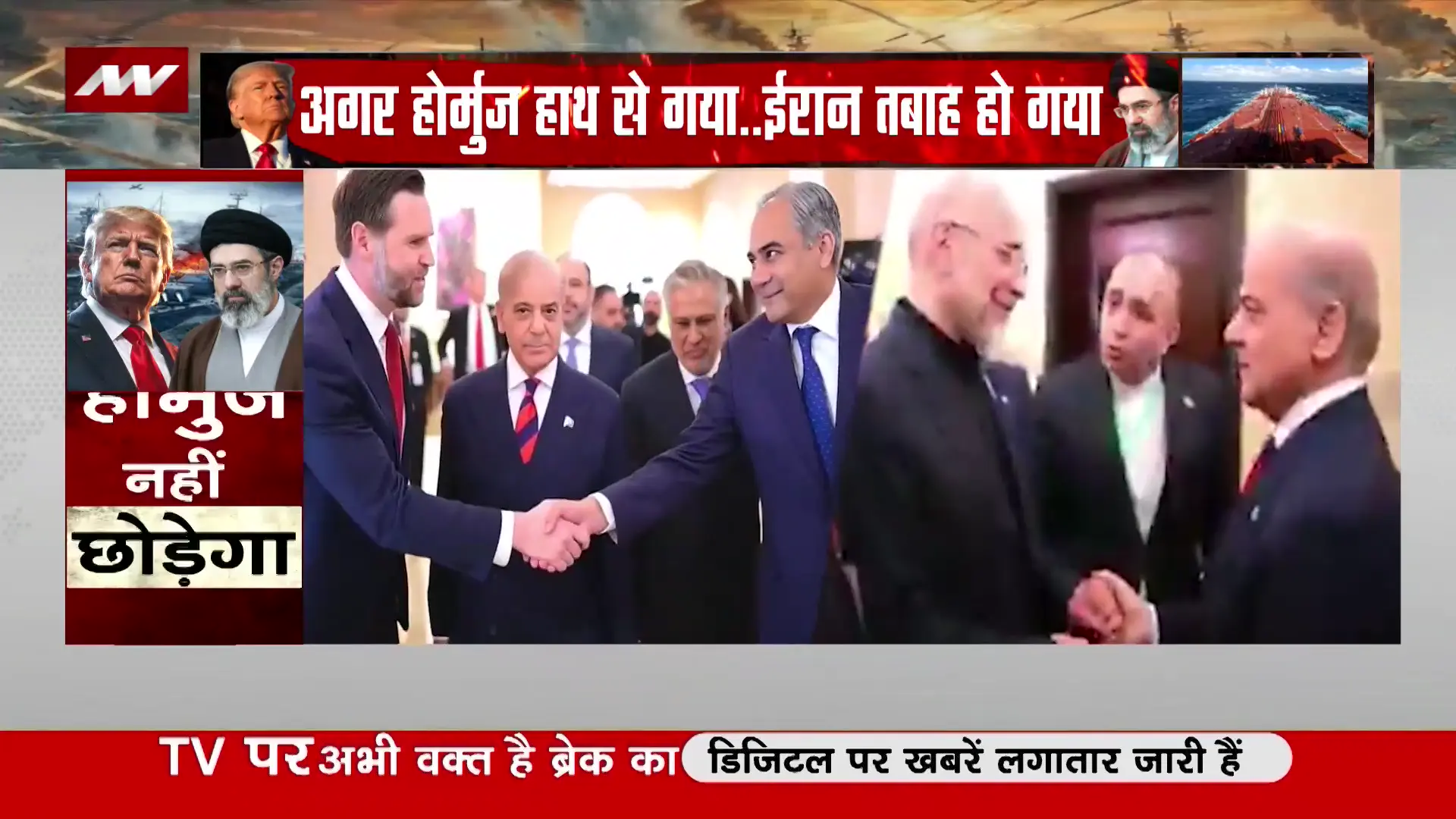
A world on edge. The Middle East remains the epicenter of geopolitical confrontation, with Iran’s nuclear ambitions and missile programs escalating tensions to levels not seen since the Cold War. In parallel, India’s high-stakes elections are reshaping the political landscape, with Prime Minister Narendra Modi’s BJP facing unprecedented scrutiny over OBC representation and economic policies. These dual crises—one rooted in decades-old ideological battles, the other in the democratic pulse of the world’s largest electorate—are redefining global stability and regional power dynamics.
The Iran-U.S. standoff: A powder keg in the making. The latest intelligence suggests Iran’s nuclear program is advancing at an alarming rate, with enriched uranium stockpiles now sufficient for multiple warheads. U.S. officials, including former President Obama, warn that Tehran’s nuclear ambitions pose an existential threat to regional security. Meanwhile, Iran’s Supreme Leader, Ayatollah Khamenei, has issued veiled threats of ‘peace strikes’ against Israel and the U.S., framing the conflict as a religious and strategic imperative. The Hormuz Strait, a chokepoint for 20% of global oil shipments, remains a flashpoint, with Iran’s Revolutionary Guard (IRGC) vowing to ‘close the Strait’ if provoked.
Diplomatic deadlock and military posturing. The Trump administration’s ‘maximum pressure’ campaign has failed to curb Iran’s nuclear activities, with Tehran now demanding the lifting of sanctions as a precondition for negotiations. U.S. Secretary of State David Zisling has warned that ‘military options are on the table,’ while Israeli defense systems—including the Iron Dome and Arrow 3 interceptors—are being tested daily against Iranian missile barrages. The international community is divided: Russia and China are urging restraint, while European nations are considering fresh sanctions. The risk of miscalculation is higher than ever.
India’s elections: A battle for the soul of democracy. As India’s mammoth general elections enter their final phase, Prime Minister Narendra Modi’s BJP is locked in a fierce contest with the Congress party over OBC (Other Backward Classes) representation and economic inequality. Modi’s government has faced criticism for its handling of unemployment and inflation, with opposition leaders accusing the BJP of ‘economic mismanagement.’ In Tamil Nadu and West Bengal, regional parties are capitalizing on voter discontent, threatening to unseat the BJP in key battlegrounds. The outcome could redefine India’s political trajectory for the next decade.
Business watch: Energy markets brace for disruption. The geopolitical crisis in the Middle East is sending shockwaves through global energy markets. Iran’s control over the Hormuz Strait—a critical artery for oil shipments—has raised fears of supply disruptions. OPEC members are scrambling to secure alternative routes, while energy prices are surging. In India, the banking sector is under pressure as political tensions between the BJP and Congress threaten economic stability. Meanwhile, Dish TV’s aggressive summer marketing campaign, featuring SBI and Agrawal Packers, is attempting to capitalize on the seasonal demand for cooling products.
Sports: A quiet day in the headlines. With no major sporting events or controversies dominating the news cycle, the focus remains squarely on geopolitics and elections. The absence of sports coverage underscores the gravity of the stories unfolding in the Middle East and India.
Press Monitor Clips: Iran-U.S. Geopolitical Dynamics; Indian Election Analysis: Tamil Nadu and Bengal; West Bengal Election and Tamil Nadu Voting Updates
news-nation's Best Political Coverage: Escalating Iran-U.S. Tensions and India’s Electoral Crossroads
The Iran-U.S. nuclear crisis: A timeline of escalation. The conflict between Iran and the U.S. has evolved from a simmering diplomatic standoff into a full-blown geopolitical crisis. The roots of the current tensions trace back to the 2015 nuclear deal, which the Trump administration unilaterally abandoned in 2018. Since then, Iran has accelerated its uranium enrichment program, breaching the deal’s limits and stockpiling enough fissile material for multiple warheads. U.S. intelligence reports suggest Iran is now capable of producing a nuclear weapon within months, if not weeks.
Ayatollah Khamenei’s nuclear gambit. Iran’s Supreme Leader, Ayatollah Ali Khamenei, has framed the nuclear program as a ‘defensive necessity,’ arguing that Iran’s survival depends on deterring U.S. and Israeli aggression. In a recent address, Khamenei warned that ‘any military strike against Iran will be met with a devastating response,’ signaling Tehran’s willingness to escalate the conflict. The IRGC’s missile program, including the development of hypersonic weapons, has further raised the stakes. Israel, meanwhile, has conducted preemptive strikes against Iranian nuclear sites, including the Natanz facility, which was heavily damaged in a recent sabotage attack.
Trump’s ‘maximum pressure’ backfires. The Trump administration’s policy of economic sanctions and diplomatic isolation has failed to curb Iran’s nuclear ambitions. Instead, it has pushed Tehran closer to Moscow and Beijing, which are now providing financial and military support. Former President Obama, in a rare public intervention, criticized Trump’s approach, stating that ‘sanctions alone cannot resolve this crisis.’ Obama’s remarks underscore the deep divisions within the U.S. foreign policy establishment over how to handle Iran.
Israel’s Iron Dome under siege. Israel’s missile defense systems, including the Iron Dome and Arrow 3 interceptors, are being tested daily as Iran and its proxies launch barrages of rockets and drones. The cost of these defensive measures is staggering, with Israel spending billions annually to maintain its deterrence capabilities. The economic burden of the conflict is also taking a toll on Iran, where inflation has soared to over 50% and unemployment hovers around 12%. The IRGC’s ‘reverse engineering’ of Israeli and U.S. military technology has further complicated the conflict, with experts warning that Iran’s missile program is now more advanced than ever.
The Hormuz Strait: A global chokepoint. The Hormuz Strait, through which 20% of the world’s oil passes, remains a critical flashpoint. Iran has repeatedly threatened to ‘close the Strait’ in response to U.S. sanctions, a move that would trigger a global energy crisis. The U.S. Fifth Fleet, based in Bahrain, has been deployed to the region to deter Iranian aggression, but the risk of a miscalculation remains high. The international community is divided: while the EU and Japan are calling for restraint, Saudi Arabia and the UAE are urging a more aggressive stance against Iran.
India’s elections: A battle for the soul of democracy. India’s general elections, the world’s largest democratic exercise, are entering their final phase. Prime Minister Narendra Modi’s BJP is facing a formidable challenge from the Congress party, which is rallying support among OBC voters and rural communities. The BJP’s campaign has focused on nationalism and economic development, but critics argue that its policies have exacerbated unemployment and inequality. In Tamil Nadu and West Bengal, regional parties are capitalizing on voter discontent, threatening to unseat the BJP in key battlegrounds.
Modi’s OBC gamble. The BJP’s decision to field OBC candidates in key constituencies has backfired in some regions, where voters are demanding better economic opportunities. The party’s ‘sabka saath, sabka vikas’ (with all, for all) slogan is being tested as never before. Meanwhile, Congress is positioning itself as the champion of social justice, with Rahul Gandhi’s ‘Bharat Jodo Yatra’ (Unite India March) gaining traction among marginalized communities. The outcome of the elections could redefine India’s political landscape for the next decade.
Press Monitor Clips: Comprehensive Iran-U.S. Analysis; Final Geopolitical Updates; West Bengal Election and Tamil Nadu Voting Updates
news-nation's Best Business Coverage: Energy Markets in Turmoil and India’s Economic Crossroads
The Hormuz Strait crisis: A global energy shock. The escalating tensions between Iran and the U.S. are sending shockwaves through global energy markets. Iran’s control over the Hormuz Strait—a critical artery for oil shipments—has raised fears of supply disruptions. OPEC members are scrambling to secure alternative routes, while energy prices are surging. The U.S. Energy Information Administration (EIA) has warned that a closure of the Strait could push oil prices above $150 per barrel, triggering a global recession.
India’s banking sector under pressure. Political tensions between the BJP and Congress are threatening to destabilize India’s banking sector. The State Bank of India (SBI), the country’s largest lender, is facing scrutiny over its lending practices, with critics accusing the bank of favoring BJP-linked businesses. Meanwhile, the PRS Group, a leading political risk consultancy, has warned that the ongoing political crisis could deter foreign investment and slow economic growth. The Reserve Bank of India (RBI) is under pressure to cut interest rates to stimulate the economy, but the risk of inflation remains a concern.
Dish TV’s summer marketing blitz. In a bid to capitalize on the seasonal demand for cooling products, Dish TV has launched an aggressive marketing campaign featuring SBI and Agrawal Packers. The campaign, which includes slogans like ‘Summer cool: life banay wonderful,’ is part of a broader push to boost sales amid rising competition. However, analysts warn that the campaign’s repetitive messaging could dilute its impact, with consumers increasingly tuning out traditional advertising.
Press Monitor Clips: Hormuz Strait and Energy Supply Risks; Political Commentary on Indian Banking Sector; Summer Cool Promo
news-nation's Best Sports Coverage: A Quiet Day in the Headlines
No major sporting events or controversies dominate the news cycle today. With the focus squarely on geopolitics and elections, the sports world is taking a backseat. The absence of major tournaments or scandals underscores the gravity of the stories unfolding in the Middle East and India.
Press Monitor Clips: N/A
news-nation's Best in Other Coverage: Geopolitical Flashpoints and Legal Battles
The Iran-U.S. nuclear agreement: A legal and strategic quagmire. The U.S.-Iran nuclear agreement remains a contentious issue, with both sides accusing each other of violating the deal’s terms. Iran has demanded the lifting of sanctions as a precondition for negotiations, while the U.S. insists that Tehran must first halt its uranium enrichment program. The International Atomic Energy Agency (IAEA) has warned that Iran’s nuclear activities are ‘inconsistent’ with the deal’s terms, raising the risk of a military confrontation.
Sajjad’s legal challenge: A critique of U.S. actions. In a series of panel discussions, legal expert Sajjad has criticized the U.S. for its ‘illegal’ military actions against Iran, including the assassination of Qasem Soleimani and the sabotage of nuclear facilities. Sajjad argues that the U.S. is violating international law and undermining the principles of sovereignty and territorial integrity. His remarks have resonated with audiences in the Middle East and beyond, where anti-American sentiment is on the rise.
Sergey Lavrov’s geopolitical analysis: Russia’s role in the crisis. Russian Foreign Minister Sergey Lavrov has weighed in on the Iran-U.S. conflict, warning that a military confrontation would have ‘catastrophic consequences’ for the region. Lavrov has urged both sides to return to the negotiating table, emphasizing the need for a ‘diplomatic solution.’ His remarks reflect Russia’s strategic interests in the Middle East, where Moscow has positioned itself as a mediator between Iran and the West.
The Hormuz Strait blockade: A strategic nightmare. The possibility of Iran blocking the Hormuz Strait has sent shockwaves through global energy markets. The U.S. Fifth Fleet, based in Bahrain, has been deployed to the region to deter Iranian aggression, but the risk of a miscalculation remains high. Analysts warn that a closure of the Strait could trigger a global energy crisis, pushing oil prices above $150 per barrel and triggering a recession.
Press Monitor Clips: Final War Analysis and Conclusion; Iran-Israel Military Dynamics and Strategic Implications; Iran-U.S. Relations: Legal and Strategic Perspectives
Why these stories matter. The Iran-U.S. crisis is not just a regional conflict—it is a global flashpoint that could redefine the balance of power in the Middle East. Meanwhile, India’s elections are a litmus test for the world’s largest democracy, with the outcome likely to shape the country’s economic and foreign policy trajectory for years to come. These stories are essential viewing for anyone seeking to understand the forces shaping our world today.