Global Flashpoints, Market Shocks and Political Upheaval: The Day's Must-Watch Coverage


Lead: A day of seismic geopolitical shifts, economic tremors and high-stakes politics dominated the global landscape on April 30, 2026. From the escalating tensions in the Strait of Hormuz to Ukraine’s precision strikes on Russian energy infrastructure, the world’s fault lines were on full display. Meanwhile, markets convulsed as oil prices surged past $140 per barrel, the Indian rupee hit a historic low, and Wall Street futures whipsawed in response to geopolitical shocks. In the political arena, the U.S. Supreme Court’s decision to weaken the Voting Rights Act ignited a firestorm of debate, while India’s Tamil Nadu elections became a stage for actor-politician Vijay’s dramatic political debut. This roundup distills the most consequential stories of the day, curated for their impact, depth, and the revelations they offer into the forces shaping our world.
Geopolitical Tensions: The Strait of Hormuz and Iran-U.S. Standoff
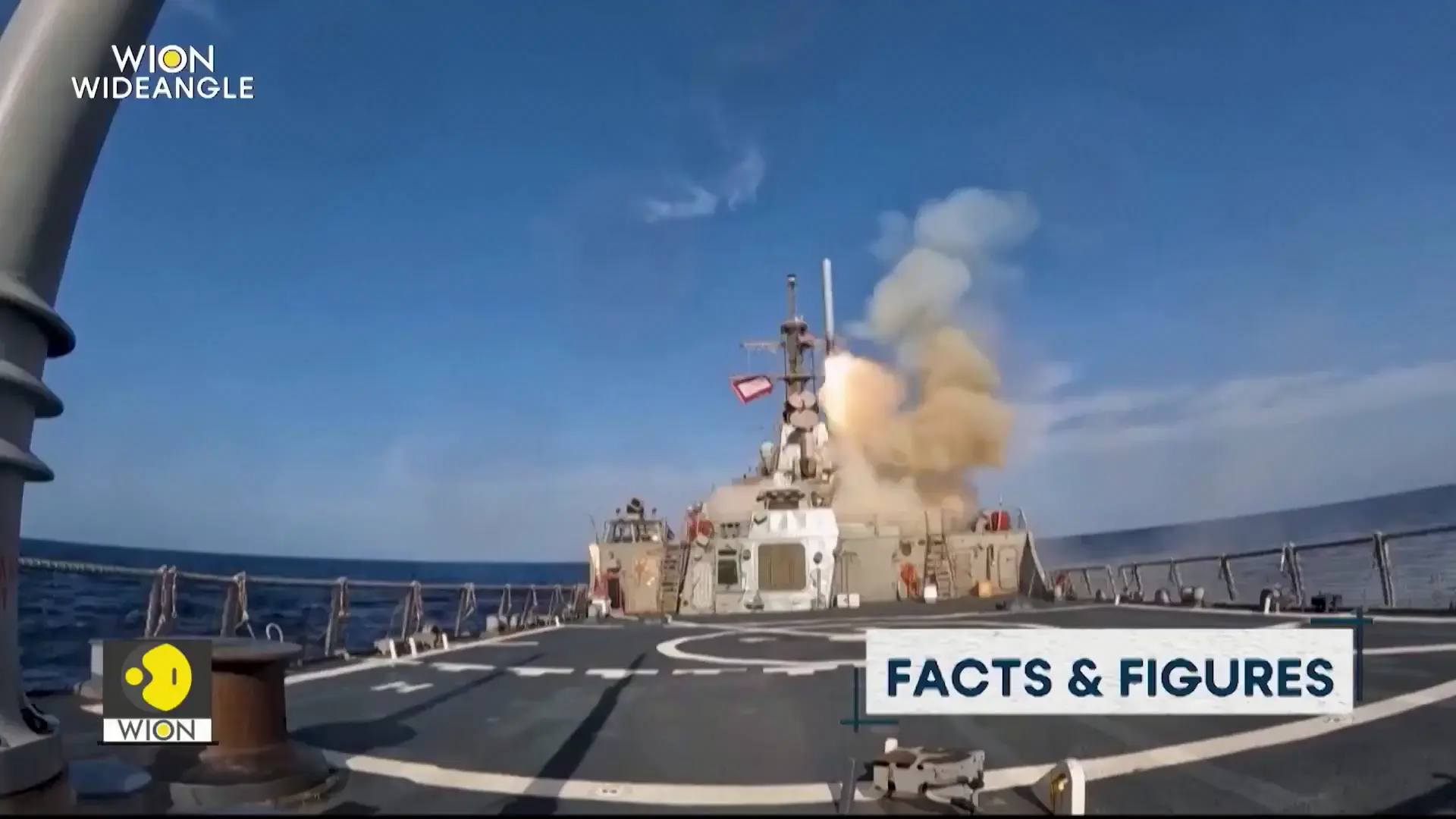
The Strait of Hormuz emerged as the epicenter of global instability, with U.S. President Donald Trump’s administration ratcheting up pressure on Iran through a naval blockade targeting Iranian ports. The U.S. Central Command’s directive to halt Iranian oil exports—covering 42 commercial vessels and 69 million barrels of crude—sent shockwaves through energy markets, pushing Brent crude futures to $140 per barrel, the highest since 2022. Iran’s parliament speaker, Mohammed Bagheer Ghalibaf, warned of dire consequences, framing the blockade as an act of economic warfare that could disrupt global energy flows. The escalation comes amid a broader U.S.-Iran standoff, with Trump’s recent interviews emphasizing military restraint while simultaneously updating Pentagon options for Iran, a move that has drawn sharp criticism from German Chancellor Frederick Mayers. The geopolitical brinkmanship has not only strained U.S.-Europe relations but also intensified scrutiny of Iran’s nuclear ambitions and its strategic alliances with Russia and China.
The crisis in the Strait of Hormuz is not merely a regional flashpoint but a global economic threat. Germany’s energy minister warned that the closure of the strait could plunge Europe into an energy crisis, exacerbating already strained supply chains. The ripple effects are being felt across continents: Saudi Arabia’s economy slowed to 2.8% growth in the March quarter, a direct consequence of disruptions to oil exports. Meanwhile, India’s rupee plummeted to a record low of 95.20 against the U.S. dollar, reflecting the currency’s vulnerability to geopolitical shocks. The Federal Reserve’s pause in rate hikes has further strengthened the dollar, adding to the pressure on emerging markets.
Ukraine’s Drone War: A New Chapter in the Russia-Ukraine Conflict
Ukraine’s drone campaign against Russian energy infrastructure marked a significant escalation in the war, with targeted strikes on oil refineries in the Perm region and fuel pipelines in the Ural Mountains. The use of advanced drone technology, including deep-strike capabilities, has allowed Ukraine to penetrate Russian defenses and inflict severe damage on critical infrastructure. Ukrainian forces have focused on disrupting Russia’s war economy, targeting military production facilities, chemical factories, and fuel stores linked to Vladimir Putin’s personal interests. The strategy has drawn praise from defense experts like Dr. Sergey Sumleny of the European Resilience Initiative Center, who highlighted Ukraine’s growing drone capabilities as a game-changer in the conflict.
The drone strikes have not only crippled Russia’s energy sector but also triggered a humanitarian and environmental crisis. Fires and evacuations in the Perm region have displaced thousands, while the environmental impact of the attacks remains a growing concern. The international community has reacted with a mix of support and skepticism. Ukrainian President Volodymyr Zelensky has remained cautiously optimistic about ceasefire negotiations, though skepticism persists given the ongoing hostilities. Meanwhile, Russian President Vladimir Putin has called for a ceasefire, but the conditions set by Moscow—including the withdrawal of Ukrainian forces from occupied territories—have been rejected by Kyiv. The stalemate underscores the fragility of any diplomatic resolution.
U.S. Politics: The Supreme Court’s Voting Rights Act Ruling and Midterm Elections
The U.S. Supreme Court’s decision to strike down Louisiana’s electoral map under the Voting Rights Act sent shockwaves through the political landscape, reigniting debates over minority voting rights and redistricting. The ruling, which effectively weakens protections for racial minorities, has drawn sharp criticism from former President Barack Obama and condemnation from civil rights groups. Obama warned that the decision could disenfranchise millions of voters, while Republican leaders hailed it as a victory for states’ rights. The political fallout is already being felt ahead of the midterm elections, with both parties scrambling to redraw electoral boundaries to secure congressional seats. The Supreme Court’s decision has also intensified scrutiny of the Trump administration’s policies, particularly its approach to Iran and its handling of the Pentagon’s outdated military options for Tehran.
The midterm elections are shaping up to be a referendum on redistricting, with both Republicans and Democrats leveraging the Supreme Court’s ruling to mobilize their bases. The Trump administration’s focus on Iran and its military options has further polarized the electorate, with critics accusing the president of escalating tensions for political gain. Meanwhile, the Democratic Party is rallying around voting rights, framing the Supreme Court’s decision as an attack on democracy. The political battle lines are clear: one side advocating for states’ rights and military strength, the other for federal oversight and civil rights protections.
India’s Political Stage: Vijay’s Debut and Tamil Nadu’s Electoral Drama
India’s Tamil Nadu elections took a dramatic turn with the political debut of actor-politician Vijay, whose entry into the fray has sent shockwaves through the state’s political landscape. Vijay, a superstar with a massive fan following, has thrown his weight behind the TVK Party, challenging the dominance of the DMK, which has ruled the state for decades. Exit polls suggest Vijay’s campaign could disrupt the status quo, with analysts predicting a tight race that could redefine Tamil Nadu’s political future. The elections have also highlighted the growing influence of social media in Indian politics, with Vijay’s campaign leveraging digital platforms to mobilize voters.
The political drama in Tamil Nadu is unfolding against the backdrop of broader electoral reforms in India. The Indian Election Commission has faced scrutiny over allegations of ballot box misconduct in West Bengal, where Trinamool Congress leaders staged a sit-in protest in Kolkata. The protests have underscored the challenges of ensuring free and fair elections in a politically charged environment. Meanwhile, the Telangana government’s economic disruptions report highlighted the impact of the West Asia war on the state’s export sector, with maritime disruptions and rising costs affecting industries like pharmaceuticals and engineering goods.
Markets in Turmoil: Oil Prices, Rupee Collapse, and Tech Stock Volatility
Global markets were in turmoil as oil prices surged past $140 per barrel, driven by the U.S.-Iran standoff and Ukraine’s drone strikes on Russian energy infrastructure. The spike in crude prices has sent shockwaves through energy-dependent economies, with Saudi Arabia’s economic slowdown serving as a stark reminder of the fragility of global supply chains. India’s rupee hit a historic low of 95.20 against the U.S. dollar, reflecting the currency’s vulnerability to geopolitical shocks. The Federal Reserve’s pause in rate hikes has further strengthened the dollar, adding to the pressure on emerging markets.
Tech stocks were not spared from the volatility. Metashare and Alphabet saw significant fluctuations following their quarterly earnings reports, with investors reacting to mixed signals from the tech sector. The broader market sentiment remains cautious, with analysts warning of a potential recession if geopolitical tensions continue to escalate. The Indian equity benchmarks have also been whipsawed by the Iran-U.S. conflict, with Brent oil futures spiking and investors scrambling to adjust their portfolios. The economic uncertainty has been compounded by the Federal Reserve’s decision to pause rate hikes, leaving markets in a state of flux.
Sports and Culture: Football Controversies and Cricket Scandals
The sports world was not immune to the day’s controversies. Arsenal’s penalty decision reversal in the UEFA Champions League semi-final against Atletico Madrid sparked outrage, with Mikel Arteta’s post-match reaction becoming a viral moment. The controversy has reignited debates over the use of VAR and the fairness of refereeing decisions in high-stakes matches. Meanwhile, the Indian Cricket Board’s decision to fine Rajasthan Royals captain Ryan Parag for smoking an e-cigarette in the dressing room has drawn criticism from fans and pundits alike. The incident has raised questions about the board’s enforcement of anti-smoking rules and the broader issue of player conduct.
The World Cup preparations also faced setbacks, with Mohamed Salah’s injury status casting a shadow over Egypt’s campaign. The Liverpool star’s absence has raised concerns about the team’s readiness for the tournament, with fans and analysts alike questioning whether Salah will recover in time. The controversies in football and cricket have overshadowed other sporting events, including Iran’s ongoing difficulties with FIFA over visa restrictions for football officials. The geopolitical tensions between Iran and the West have spilled over into the sports world, with athletes and officials caught in the crossfire.
Press Monitor Clips:
-
U.S.-Iran Military Options and Pentagon Talks: Donald Trump’s discussions with Pentagon officials on updated military options for Iran.
-
Tamil Nadu Elections: Vijay's Political Debut and DMK's Dominance: Analysis of actor-politician Vijay’s political debut in Tamil Nadu elections.
-
Ukraine-Russia War: Drone Campaign and Oil Attacks: Comprehensive report on Ukraine’s drone strikes on Russian energy infrastructure.
-
Iran-US Oil Blockade Analysis: Trump’s blockade claims, Iranian storage capacity risks, and economic leverage.
-
US Supreme Court Ruling on Voting Rights Act: Landmark decision weakening the Voting Rights Act and sparking political reactions.