Global Tensions and Domestic Strife: The Day's Most Pressing Stories from West Asia to West Bengal


A day of escalating geopolitical tensions and domestic political strife has dominated global headlines, with developments from the Strait of Hormuz to the streets of West Bengal shaping the international agenda. From Iran’s shifting diplomatic calculus to the simmering BJP-TMC conflict in India’s election battleground, the world’s focus remains locked on flashpoints where rhetoric and reality collide.
Geopolitical Flashpoints: Iran’s Calculus and the Strait of Hormuz
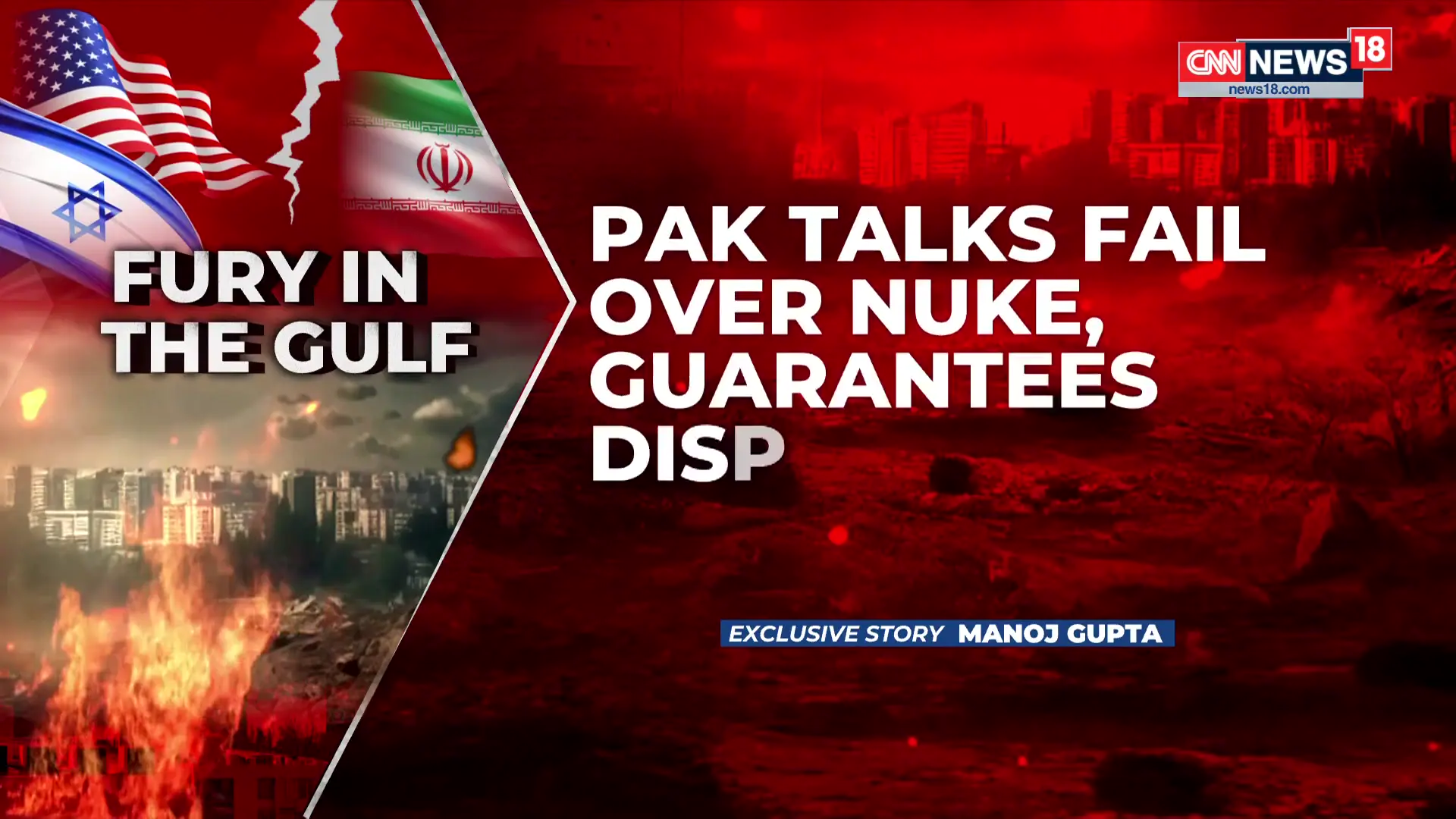
Iran’s diplomatic strategy has undergone a seismic shift, as revealed by a key intelligence assessment analyzed by CNN News 18. The Islamic Republic is reducing its reliance on single mediators like Pakistan, instead expanding engagement with multiple global players. This pivot comes as the IRGC’s influence grows, complicating diplomatic efforts and raising questions about Tehran’s long-term intentions in West Asia.
The Strait of Hormuz, a critical chokepoint for global oil supplies, has once again taken center stage. Iran’s proposed law granting the IRGC control over the strait has sparked international concern, with analysts warning of potential disruptions to energy markets. The law’s geopolitical implications are profound, particularly in the context of ongoing tensions with the United States and the broader struggle for dominance in the region.
Meanwhile, Iran’s oil production and export challenges have intensified, with storage capacity stretched thin and pipeline risks mounting. A potential blockade of the Strait of Hormuz could send shockwaves through global oil markets, exacerbating economic instability in an already volatile environment. The segment on Iran-US oil blockade analysis underscores the fragility of the current energy landscape and the high stakes involved.
West Bengal’s Election Battleground: Security, Sabotage, and Sabre-Rattling
India’s West Bengal elections have become a microcosm of the country’s broader political and social divides. The BJP and TMC are locked in a bitter struggle, with accusations of election intimidation, crude bomb recoveries, and allegations of EVM tampering dominating the discourse. Prime Minister Narendra Modi’s open letter to voters, emphasizing development and stability, stands in stark contrast to the charged rhetoric on the ground.
Crude bombs recovered in Bhangar-Kashipur have raised alarm bells, prompting the National Investigation Agency (NIA) to launch a probe into the incident. The recovery of these explosives ahead of phase two of the elections has heightened concerns about security threats and the potential for violence. The NIA’s involvement signals the gravity of the situation, with implications for both the electoral process and public safety.
Ajay Pal Sharma, the police observer appointed for South 24 Parganas, has found himself at the center of a political storm. Both the BJP and TMC have scrutinized his role, with the TMC accusing him of being a BJP agent and intimidating their candidates. The segment on Ajay Pal Sharma’s election observer role highlights the delicate balance between maintaining election integrity and avoiding partisan perceptions.
Chinnaswamy Stadium’s CCTV security lapse has sent shockwaves through India’s cricketing community. During a match day, CCTV cameras were turned off, raising serious questions about security lapses and potential sabotage. The investigation into the incident, involving employees of IVS Digital Solutions, has uncovered allegations of deliberate interference, underscoring the vulnerabilities in the country’s sporting infrastructure.
Global Military Spending Hits Record Highs
The world’s military spending has surged to a record $2.9 trillion, according to the latest Global Arms Report analyzed by CNN News 18. The report highlights the growing arms race, driven by conflicts in Ukraine, rising tensions between China and the United States, and the broader geopolitical instability. India’s defense budget has also come under scrutiny, with analysts questioning whether the country is adequately prepared for the challenges ahead.
The Fallout from Political Violence in the United States
The attempted assassination of former US President Donald Trump has sent ripples across the globe, with analysts examining the fallout for American democracy and international relations. The incident has laid bare the deepening political polarization in the United States, with comparisons drawn to India’s own struggles with hate rhetoric and democratic backsliding. Vijay Vadetitwar, a senior analyst at CNN News 18, has been at the forefront of dissecting these developments, offering insights into the erosion of democratic norms on both sides of the Pacific.
Press Monitor Clips: President Trump's Security Incident: Analysis of Political Violence and Rhetoric; Iran Strait of Hormuz Law Proposal; Crude Bomb Recovery and NIA Probe in West Bengal; Chinnaswamy Stadium CCTV Security Lapse; Global Military Spending Analysis