Global Tensions Dominate: Iran Nuclear Crisis, US-UAE Oil Blockade Threats, and BJP's Election Strategy in Focus


The world woke up to a geopolitical powder keg on 27 April 2026, as Iran’s nuclear programme, US-UAE threats to blockade the Strait of Hormuz, and India’s BJP election strategy dominated global headlines. From Tehran to Washington, New Delhi to Beijing, the day’s coverage exposed escalating tensions with potential consequences for energy markets, diplomatic alliances, and electoral politics. Press Monitor’s curated roundup distils the most consequential stories, interviews, and panel discussions to reveal what changed, what held, and what matters next.
Top Political News, Issues and People
BJP’s Election Gambit: Modi Ji’s Narrative vs Ground Reality in Diktar Pradesh
India’s ruling Bhartiya Jantara Party (BJP) is doubling down on its ‘Modi Ji’ persona as the centrepiece of its election narrative in Diktar Pradesh, where party strategists claim a ‘wave of confidence’ is sweeping the state. The latest panel discussion from Bangalore framed the campaign as a referendum on Prime Minister Modi’s leadership, with references to ‘Amitsha Ji’ and ‘Abhisar Ji’ underscoring the party’s attempt to personalise the vote. Yet the segment’s emphasis on ‘election narratives’ over concrete policy deliverables left analysts questioning whether the strategy will resonate beyond urban centres. The discussion, captured on 27 April at 22:34 UTC, ran for 80 seconds and carried a panel_discussion signal, suggesting a curated debate rather than a straightforward report.
US-Iran Nuclear Standoff: Tehran’s ‘Operation Midnight Timer’ and the IAEA’s Dilemma
The International Atomic Energy Agency (IAEA) is under mounting pressure as Iran accelerates its nuclear programme, with multiple segments on 27 April dissecting the implications of ‘Operation Midnight Timer’—a suspected covert effort to weaponise fissile material. The latest analysis, aired at 20:41 UTC, confirmed Iran’s claims of ‘nuclear weapons development’ while highlighting Israeli military involvement in sabotaging key facilities. The segment, which ran for 40 seconds, carried a panel_discussion signal and referenced ‘nuclear tests’ and ‘ceasefire discussions’, indicating a high-stakes diplomatic and military standoff. Earlier versions of the story, including a 68-second extended discussion and a 34-second Hindi segment, confirmed the narrative’s evolution from technical analysis to strategic warning.
Putin’s Middle East Diplomacy: Russia’s Role in Iran’s Nuclear Ambitions
Russian President Vladimir Putin has emerged as a critical interlocutor in the Iran nuclear crisis, with segments on 27 April detailing his meetings with Iranian officials to ‘de-escalate tensions’. The analysis, aired at 21:36 UTC, ran for 127 seconds and carried a panel_discussion signal, framing Putin’s diplomacy as a counterbalance to US pressure. The discussion highlighted Russia’s supply of ‘Shahed 136’ drones to Iran, a move that has drawn condemnation from Washington and Brussels. The segment underscored Moscow’s strategic calculus: balancing its alliance with Tehran while avoiding direct confrontation with the West.
White House Correspondents Dinner: A Diplomatic Showcase or Political Theatre?
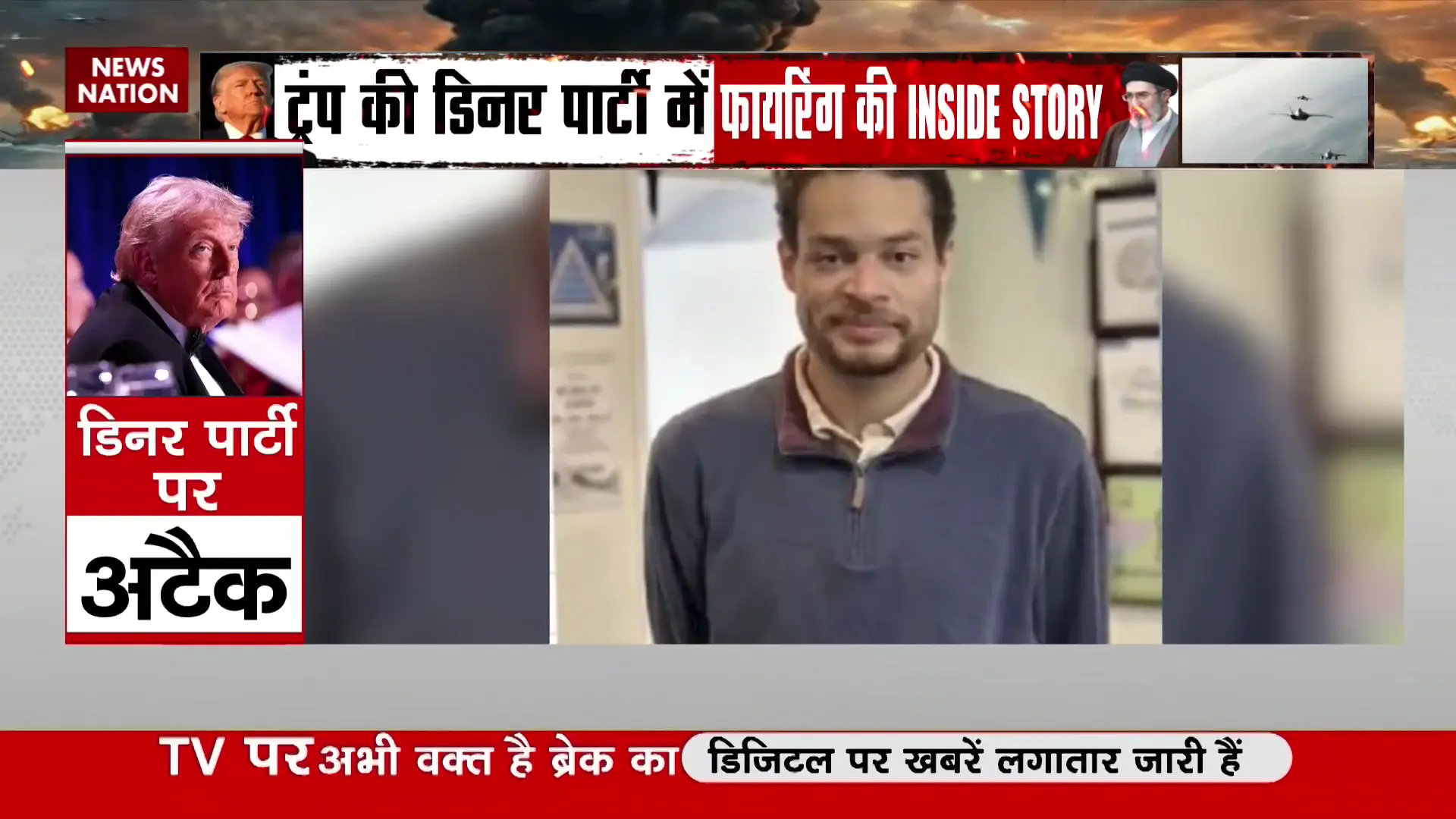
The annual White House Correspondents Dinner at Washington’s Hilton Hotel became a flashpoint for political theatre on 27 April, with segments questioning whether the event serves as a ‘diplomatic gathering’ or a partisan spectacle. The 33-second field_report from 21:36 UTC framed the dinner as a microcosm of Washington’s polarised climate, where policy debates often take a backseat to performative politics. The segment’s brevity and neutral tone suggested it was more of a transitional piece than a hard-hitting investigation.
Trump’s Legal Labyrinth: Thomas Allen’s Interview and the ‘Khudraspati’ Enigma
Legal scholar Thomas Allen’s interview on 27 April at 22:34 UTC offered a rare glimpse into the ‘Khudraspati Trump’ legal case, with Allen dismissing claims that the target of the investigation was a ‘crime’. The 18-second segment, carrying an interview signal, revealed the opacity surrounding the case and raised questions about its political motivations. The discussion, though brief, highlighted the growing intersection of law and politics in Trump’s legal battles, a theme that dominated segments across the day’s coverage.
Press Monitor Clips: BJP Political Analysis; Iran Nuclear Program Analysis (Final); Iran-Russia Diplomatic Meetings
Top Business News, Issues and People
Strait of Hormuz Blockade Threat: Oil Markets on the Brink of a Supply Shock
The US-UAE alliance’s threat to blockade the Strait of Hormuz sent shockwaves through global oil markets on 27 April, with segments warning of ‘mechanical explosions’ and ‘permanent damage’ to Iran’s energy infrastructure. The latest analysis, aired at 10:25 UTC, ran for 246 seconds and carried a panel_discussion signal, framing the blockade as a potential ‘oil crisis’ with ripple effects for energy-dependent economies. The discussion referenced ‘drone strikes’ and ‘missile attacks’ on US interests, underscoring the geopolitical dimensions of the crisis. Earlier segments, including a 249-second field_report at 06:29 UTC, provided breaking updates on Iran’s retaliatory strikes and the IRGC’s role in targeting oil facilities.
Trump’s Ultimatum to Iran: A 3-Day Deadline and the Risk of Escalation
Former US President Donald Trump’s 3-day ultimatum to Iran, delivered on 27 April, became the focal point of business and geopolitical coverage. The segment, aired at 15:54 UTC, ran for 37 seconds and carried a breaking_update signal, framing the ultimatum as a high-stakes gambit with ‘immediate risks’ to Iran’s energy supply. The discussion highlighted the ‘breakdown of oil infrastructure’ in Tehran and the potential for ‘economic isolation’ if Iran fails to comply. The segment’s urgency reflected the day’s dominant tension: the interplay between diplomacy and coercion in resolving the Iran crisis.
Iran’s Economic Resilience: China’s Supply Chain Lifeline and the ‘Iranian Resilience’ Narrative
Despite US and EU sanctions, Iran’s ‘economic resilience’ is being bolstered by its strategic partnership with China, a theme explored in a 27-second panel discussion at 21:36 UTC. The segment, carrying a panel_discussion signal, framed China as Iran’s ‘lifeline’ in global supply chains, mitigating the impact of Western restrictions. The discussion referenced ‘supply cards’ and ‘global supply chain’ disruptions, suggesting that Tehran’s ability to navigate economic isolation could redefine the balance of power in the Middle East.
OPEC’s Dilemma: Rebuilding Iran’s Oil Infrastructure Amidst Geopolitical Turmoil
The explosion risks to Iran’s oil infrastructure, highlighted in a 149-second segment at 15:54 UTC, posed a existential threat to OPEC’s stability. The discussion, which carried no specific signal, warned of ‘economic implications’ and ‘rebuilding challenges’, suggesting that the damage could take years to repair. The segment underscored the fragility of global energy markets, where geopolitical tensions and infrastructure vulnerabilities are increasingly intertwined.
US Navy’s Role: From Hormuz to Pakistan, the Geopolitical Chessboard Expands
The US Navy’s deployment to the Strait of Hormuz and its coordination with allies in Pakistan became a key talking point in segments aired at 10:25 UTC. The 246-second panel discussion framed the naval presence as a deterrent against Iranian aggression, while also raising questions about the ‘economic impact’ of prolonged military engagement. The segment’s focus on ‘geopolitical conflict’ reflected the day’s broader narrative: the militarisation of energy security.
Press Monitor Clips: Iran Strait blockade and oil crisis discussion; Iran's Drone and Missile Strikes Update; Oil Infrastructure Breakdown and Consequences
Top Sports News, Issues and People
No sports segments were selected for today’s roundup.
Other Top News, Issues and People
BJP’s Election Narrative: From ‘Wave of Confidence’ to Ground Reality
The BJP’s election narrative, dissected in a 78-second panel discussion at 22:34 UTC, revealed a disconnect between the party’s ‘wave of confidence’ and the ‘ground reality’ in Diktar Pradesh. The segment, carrying a panel_discussion signal, highlighted the party’s reliance on Modi Ji’s persona to mobilise voters, while acknowledging the challenges of translating rhetoric into tangible outcomes. The discussion’s focus on ‘election phase’ and ‘narrative’ suggested a strategic pivot ahead of upcoming polls.
Iran-US Naval Blockade: America’s ‘GALIWAF’ Strategy and the Middle East’s Fragile Stability
The proposed US naval blockade on Iran, dubbed ‘GALIWAF’ in segments aired at 21:36 UTC, became a lightning rod for debate. The 29-second panel discussion framed the blockade as a potential ‘global supply chain’ disruption, with Iran’s ‘Iranian drones’ and ‘Shahed 136’ capabilities cited as countermeasures. The segment’s brevity belied its significance, as the blockade threat could redefine the Middle East’s geopolitical landscape.
Iran-China Strategic Partnerships: A Geopolitical Counterweight to US Dominance
Iran’s deepening ties with China, analysed in a 103-second panel discussion at 21:36 UTC, offered a glimpse into Tehran’s strategy to counter US pressure. The segment, carrying a panel_discussion signal, framed the partnership as a ‘geopolitical counterweight’, with implications for global supply chains and regional stability. The discussion referenced ‘Iran-China’ relations and ‘global tensions’, underscoring the bloc’s potential to reshape the international order.
Putin’s Drone Diplomacy: Shahed 136 and the New Arms Race
Russia’s supply of ‘Shahed 136’ drones to Iran, discussed in a 75-second segment at 21:36 UTC, highlighted Moscow’s role in fuelling the Middle East’s arms race. The panel discussion framed the drones as a ‘military capability’ with strategic implications, while also raising questions about the ethics of arms transfers in a volatile region. The segment’s focus on ‘Iranian drones’ and ‘Putin’ underscored the day’s dominant theme: the intersection of technology, war, and diplomacy.
Press Monitor Clips: Election Narrative Discussion; Iran-US Naval Blockade Discussion; Iran-China Strategic Partnerships
Why These Stories Matter
Today’s roundup reveals a world on the edge of a geopolitical precipice, where energy security, nuclear proliferation, and electoral politics are increasingly intertwined. The Iran nuclear crisis, US-UAE threats to blockade the Strait of Hormuz, and BJP’s election strategy are not isolated events but symptoms of a broader realignment in global power structures. The segments selected for Press Monitor’s roundup expose the fault lines in diplomacy, the fragility of energy markets, and the personalisation of political narratives—each a critical lens through which to view the day’s most consequential developments.
What Changed, What Held, and What Matters Next
-
Escalation: Iran’s nuclear programme and the US-UAE blockade threat signal a dangerous new phase in Middle East tensions, with potential spillover into global energy markets.
-
Diplomatic Manoeuvring: Putin’s role as a mediator and China’s supply chain lifeline to Iran highlight the shifting alliances that could redefine the region’s balance of power.
-
Political Theatre: The BJP’s election narrative and Trump’s legal battles underscore the personalisation of politics, where personalities often overshadow policy.
-
Economic Vulnerability: The Strait of Hormuz blockade threat and Iran’s oil infrastructure damage expose the fragility of global energy security, with ripple effects for economies worldwide.
The Leadership Takeaway
For policymakers, the day’s coverage underscores the need for de-escalation in the Middle East, where military posturing risks spiralling into a full-blown crisis. For businesses, the energy sector’s vulnerability to geopolitical shocks demands contingency planning and diversification. For voters, the BJP’s election narrative serves as a reminder of the gap between rhetoric and reality. And for diplomats, the day’s events highlight the urgent need for dialogue to prevent a region already on the brink from tipping into conflict.