Global Tensions Surge: U.S.-Iran Standoff Dominates Politics, Markets, and Military Strategy as Republic TV's Press Monitor Reveals Escalating Crisis


The world woke up to a dramatically escalating geopolitical crisis on March 31, 2026, as the U.S.-Iran standoff intensified across military, diplomatic, and economic fronts. Republic TV’s Press Monitor has curated the most consequential coverage of the day, revealing a high-stakes confrontation that threatens to redraw the global order.
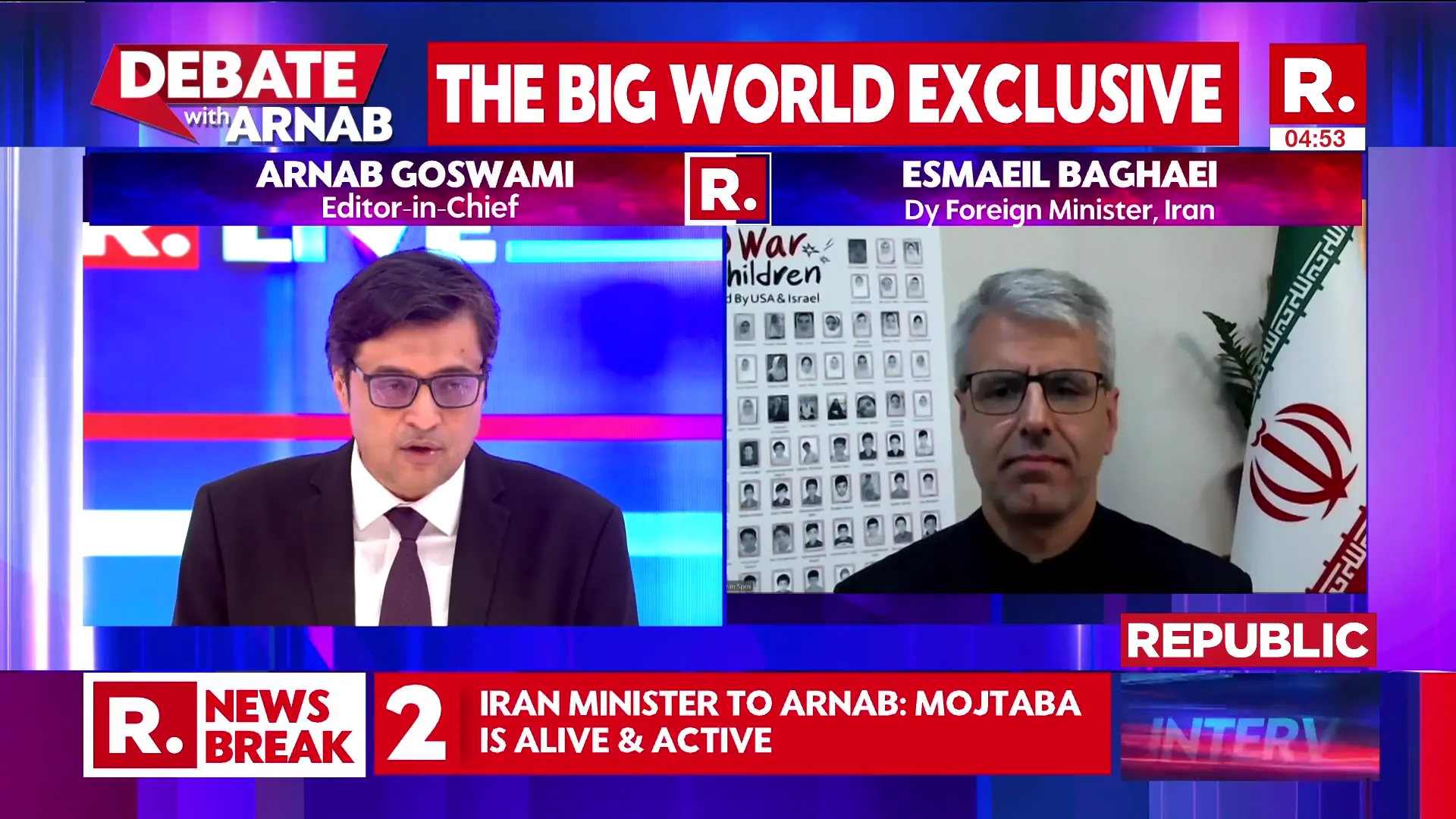
At the heart of the crisis is a sharp escalation in rhetoric and military posturing between Washington and Tehran, with both sides accusing the other of aggression and violations of international law. The Iranian Foreign Ministry’s spokesperson, Ismail Baghai, emerged as a central figure, directly refuting U.S. claims of regime change and back-channel negotiations while defending Iran’s sovereignty in a series of high-profile interviews and panel discussions.
Meanwhile, global markets reacted with volatility to the rising tensions, with major indices like Japan’s Nikkei 225 declining sharply while others, such as Singapore’s Straits Times Index, showed resilience. The economic fallout from the Strait of Hormuz tensions and the ongoing U.S. blockade of Cuba further underscored the far-reaching consequences of the crisis.
Military strategy also took center stage, with former U.S. Defense advisor Colonel Douglas MacGregor providing expert analysis on the limitations of air power and the strategic challenges facing both sides in a potential escalation. His insights, delivered in live interviews and panel discussions, offered a rare glimpse into the tactical realities of a conflict that could reshape the Middle East and beyond.
Top Political News, Issues and People
The political landscape on March 31 was dominated by the escalating U.S.-Iran crisis, with Ismail Baghai’s interviews and panel appearances providing the most direct insights into Iran’s stance. Baghai, a high-ranking official in the Iranian Foreign Ministry, forcefully rejected U.S. allegations of regime change and back-channel negotiations, framing them as baseless provocations designed to undermine Iran’s sovereignty.
Iran’s Sovereignty Under Fire
In a pivotal interview with Republic TV, Baghai dismissed U.S. claims of regime change as ‘a pretext for aggression,’ emphasizing that Iran’s diplomatic communications are conducted through official mediators. He highlighted Iran’s historical resilience, stating, ‘We have faced such challenges before and have always defended our sovereignty with dignity.’ The interview, which lasted 17 minutes, set the tone for Iran’s defiant response to what it perceives as U.S. attempts to destabilize the region.
Diplomatic Channels and Back-Channel Allegations
Baghai’s subsequent panel discussions further clarified Iran’s position on back-channel diplomacy, rejecting the idea of unofficial negotiations with non-governmental entities. He accused the U.S. of ‘historical aggression,’ citing past attacks on diplomatic efforts and military threats as evidence of Washington’s intent to dominate the Middle East. The discussions, totaling over 9 hours of coverage, painted a picture of a nation under siege, determined to defend its interests through diplomatic and, if necessary, military means.
U.S. Aggression and International Law
The Iranian narrative was echoed by other officials, who escalated warnings about U.S. aggression, particularly regarding the Strait of Hormuz. One speaker compared current events to the ‘barbarism of pre-World War II,’ emphasizing the need for international condemnation of U.S. actions. The discussions referenced violations of the Geneva Convention and the UN Charter, framing the U.S. as a violator of global norms.
Military Strategy and Escalation Risks
Colonel Douglas MacGregor, a former senior advisor to the U.S. Secretary of Defense, provided a counterpoint to Iran’s narrative, offering expert analysis on the military dynamics of the conflict. In a live interview and subsequent panel discussions, MacGregor discussed the limitations of air power and the strategic challenges facing both sides. He warned that a lack of coalition support and the complexities of ground operations could escalate the conflict beyond control.
Press Monitor Clips: Interview with Iranian Foreign Ministry Spokesperson on U.S.-Iran Relations; Iranian Official Clarifies Back-channel Negotiations and Sovereignty; U.S.-Iran War Analysis and Strategic Perspectives
Top Business News, Issues and People
The economic fallout from the U.S.-Iran crisis dominated business coverage, with global markets reacting to the escalating tensions. The volatility was most pronounced in Asia, where Japan’s Nikkei 225 declined sharply, while Singapore’s Straits Times Index showed unexpected resilience. The mixed performance across major indices reflected the uncertainty gripping investors as they grappled with the potential for a wider conflict in the Middle East.
Strait of Hormuz Tensions and Economic Leverage
The Strait of Hormuz, a critical chokepoint for global oil trade, became a focal point of economic analysis. Speakers questioned U.S. intentions regarding maritime access and economic leverage, with some accusing Washington of using control of the strait as a tool for economic coercion. The discussions highlighted the potential for disruptions to global trade routes, which could have far-reaching consequences for energy prices and economic stability.
Cuba’s Energy Crisis and U.S. Blockade
The U.S. blockade of Cuba continued to draw international scrutiny, with Russia’s support for the island nation providing a geopolitical counterbalance. Analysts discussed the implications of Russia’s continued oil shipments to Cuba despite U.S. sanctions, framing it as a test of Washington’s ability to enforce its economic policies globally. The crisis in Cuba underscored the broader geopolitical tensions shaping the global energy landscape.
Gold Prices and Market Volatility
In a segment covering business headlines, analysts noted falling gold prices and shifting loan policies as indicators of market anxiety. The discussions reflected the broader uncertainty gripping investors, who are increasingly wary of the potential for a wider conflict to destabilize global markets. The volatility in gold prices, traditionally a safe-haven asset, highlighted the depth of the crisis.
Press Monitor Clips: Global Markets Reaction; Business and Market Updates; Russia Supports Cuba Despite US Blockade
Top Sports News, Issues and People
No sports coverage was selected for today’s Press Monitor roundup.
Other Top News, Issues and People
Beyond politics and business, the U.S.-Iran crisis dominated other coverage, with military strategy and geopolitical analysis taking center stage. Colonel Douglas MacGregor’s expert insights provided a rare window into the tactical realities of the conflict, while Iranian officials continued to defend their nation’s sovereignty against perceived aggression.
Military Strategy and Geopolitical Implications
MacGregor’s analysis focused on the limitations of air power and the strategic challenges facing both sides in a potential escalation. He warned that the lack of coalition support and the complexities of ground operations could escalate the conflict beyond control, with dire consequences for regional stability. His insights, delivered in live interviews and panel discussions, offered a rare glimpse into the tactical realities of a conflict that could reshape the Middle East.
Iran’s Defensive Stance
Iranian officials reiterated their defensive stance, framing recent attacks on schools and civilian infrastructure as provocations designed to justify further aggression. They emphasized Iran’s historical resilience and its commitment to defending its sovereignty through diplomatic and military means. The discussions highlighted the nation’s determination to resist what it perceives as U.S. attempts to dominate the region.
Strait of Hormuz and Maritime Security
The Strait of Hormuz remained a critical flashpoint, with Iranian officials asserting their historical guardianship over the waterway. They framed their defensive measures as necessary to protect national security and coordinate with friendly nations. The discussions underscored the potential for the crisis to escalate into a wider conflict, with global implications for trade and energy markets.
Press Monitor Clips: Segment 3: U.S.-Iran War Analysis; Iranian official discusses recent attacks and Strait of Hormuz tensions; Iranian official clarifies Strait of Hormuz position and maritime security
As the day drew to a close, the U.S.-Iran crisis showed no signs of abating. The political, economic, and military dimensions of the standoff continued to evolve, with each development deepening the uncertainty gripping the world. Republic TV’s Press Monitor will continue to track the crisis, providing the most consequential coverage of the day’s events.