India's Political and Constitutional Crossroads: Women's Reservation, Delimitation, and the 2026 Elections


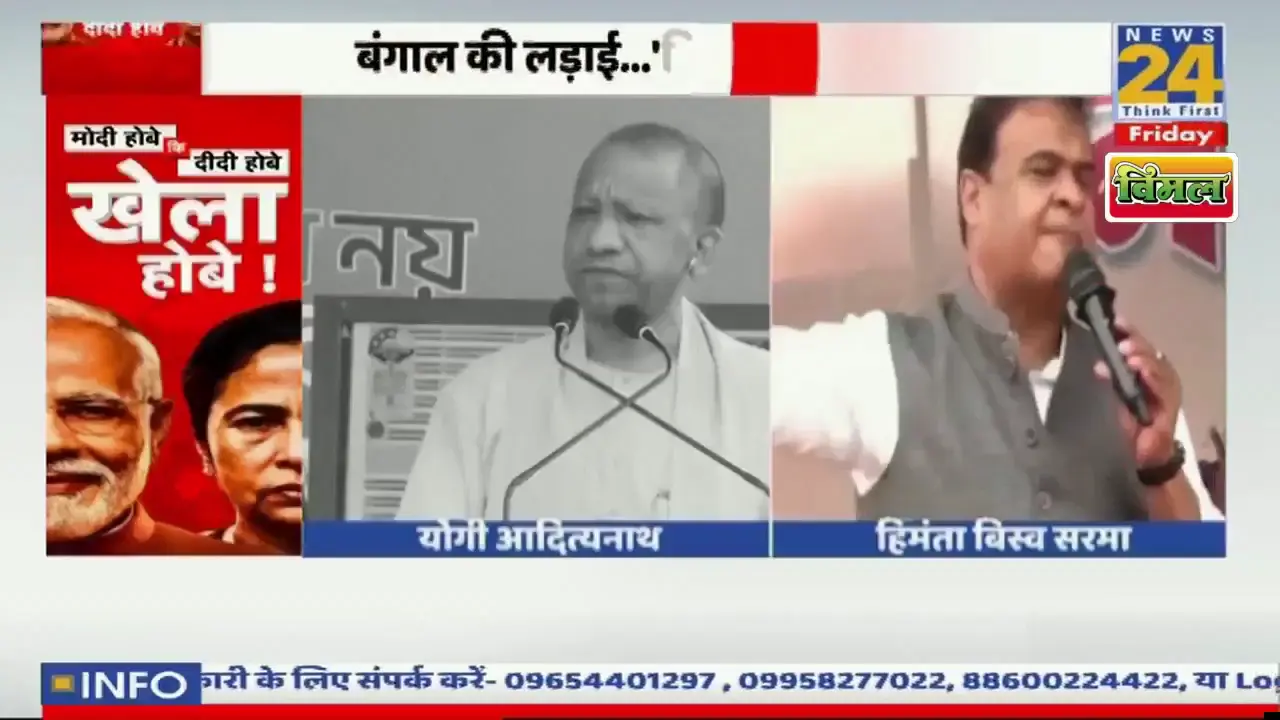
Lead: India stands at a defining moment in its democratic journey as Parliament grapples with the Women's Reservation Bill, constitutional amendments on delimitation, and the impending 2026 elections. The political landscape is being reshaped by legislative debates that could redefine representation, electoral boundaries, and social justice. Meanwhile, geopolitical tensions in the Gulf and Iran, and the IPL 2026 cricket season, offer contrasting narratives of strategy, performance, and national identity.
The Women's Reservation Bill, first proposed decades ago, has resurfaced as a flashpoint in Parliament. The bill aims to reserve one-third of seats in the Lok Sabha and state legislatures for women, but its implementation hinges on the completion of the delimitation process—a constitutional exercise that redraws electoral boundaries based on the latest census data. The government's proposal to increase Lok Sabha seats from 543 to 815, with 33% reserved for women, has intensified debates over timing, OBC inclusion, and the bill's alignment with the 2026-27 electoral timeline.
At the heart of these debates are questions of social justice, political strategy, and constitutional validity. Opposition parties argue that the bill's implementation is premature without clarity on delimitation, while the government insists on its urgency to empower women politically. The Supreme Court's role in adjudicating constitutional references adds another layer of complexity, with legal experts questioning the bill's alignment with existing electoral laws.
Beyond Parliament, the delimitation process itself is a contentious issue. The Delimitation Commission's work, which could increase seats in states like Kerala and Uttar Pradesh by up to 50%, has sparked regional tensions and political maneuvering. Parties are recalibrating their strategies, with the BJP and PDA (Peoples Democratic Alliance) positioning themselves for electoral gains in key states like Uttar Pradesh, where vote distribution and seat adjustments could tilt the balance.
In the economic sphere, India's strategic partnerships with Iran and China are under scrutiny as geopolitical tensions in the Gulf of Oman escalate. Tanker operations, blockades, and energy trade routes are being analyzed for their implications on global markets and regional stability. Meanwhile, Kolkata's economic landscape is being reshaped by local entrepreneurship and self-reliance initiatives, particularly among women, as the city navigates industrial development and demographic challenges.
On the sports front, the IPL 2026 season is delivering high-stakes drama, with the Royal Challengers Bangalore (RCB) and Punjab Kings vying for playoff positions. Player performances, including those of Virat Kohli and Rishabh Pant, are being dissected for their impact on team standings and fan expectations. The season's narrative is one of resilience, strategy, and the relentless pursuit of excellence in India's most popular sport.
This comprehensive roundup examines the dominant tensions shaping India's political, economic, and social landscape. From constitutional amendments to cricket pitches, these stories reveal the forces driving change, the challenges of implementation, and the stakes for India's future.
Top Political News, Issues and People
Women's Reservation Bill: A Legislative Marathon Revisited
Parliament's Historic Debate
The Women's Reservation Bill, first introduced in 1996 as the 'Raja Niti,' has returned to Parliament amid renewed urgency. The bill seeks to reserve 33% of seats in the Lok Sabha and state legislatures for women, a move aimed at addressing gender disparities in political representation. However, its journey has been fraught with delays, political opposition, and legal ambiguities.
The latest iteration of the bill, titled 'Nari Shakti Vandan Adiniyam,' has reignited debates over its timing and implementation. Opposition leaders argue that the bill's provisions are premature without the completion of the delimitation process, which is essential for determining the number of reserved seats. The government, led by Prime Minister Narendra Modi, counters that the bill is a step toward social justice and women's empowerment, and that delimitation can proceed in parallel.
Opposition's Concerns and Government's Response
Opposition parties, including the Congress and regional outfits like the TMC and DMK, have raised concerns about the bill's implementation timeline. They argue that the 2026-27 elections may not allow sufficient time for the delimitation process to be completed, potentially rendering the bill ineffective. The government has responded by emphasizing the bill's symbolic importance and its commitment to ensuring women's representation in Parliament.
The debate has also highlighted the issue of OBC inclusion, with some opposition leaders questioning whether the bill adequately addresses the representation of Other Backward Classes. The government has assured that the delimitation process will take into account the need for proportional representation across all social groups.
Supreme Court's Role and Legal Challenges
The Supreme Court's involvement in adjudicating constitutional references related to the bill has added a layer of legal complexity. Legal experts are divided over whether the bill aligns with existing electoral laws and constitutional provisions. The court's stance on the '2011 formula,' which governs the delimitation process, could have far-reaching implications for the bill's implementation.
The political stakes are high, with parties like the BJP and PDA recalibrating their strategies for the 2026 elections. The bill's passage could reshape the electoral landscape, particularly in states where women's representation has historically been low.
Delimitation: Redrawing India's Electoral Map
The Delimitation Commission's Mandate
The Delimitation Commission is tasked with redrawing India's electoral boundaries based on the latest census data. The commission's work is critical to the implementation of the Women's Reservation Bill, as it will determine the number of seats reserved for women in Parliament and state legislatures. The commission's proposals, which could increase the number of Lok Sabha seats from 543 to 815, have sparked regional tensions and political maneuvering.
Regional Tensions and Political Strategy
States like Kerala, Uttar Pradesh, and West Bengal are at the center of the delimitation debate. The commission's proposals to increase seats in these states by up to 50% have raised concerns about the impact on regional representation and political power dynamics. Parties like the BJP and PDA are positioning themselves to capitalize on these changes, with strategies focused on vote distribution and seat adjustments.
Constitutional Amendments and Legal Hurdles
The delimitation process is governed by constitutional amendments, including the 73rd and 74th Amendments, which mandate the use of census data for redrawing electoral boundaries. Legal experts are scrutinizing the commission's proposals for compliance with these amendments, as well as the potential impact on the Women's Reservation Bill. The government's proposal to increase seats in the Lok Sabha has also raised questions about the constitutional validity of such changes.
Impact on the 2026 Elections
The delimitation process is expected to be completed by 2027, but its impact on the 2026 elections remains uncertain. Parties are recalibrating their strategies to account for potential changes in electoral boundaries, with a focus on key states like Uttar Pradesh, where seat adjustments could tilt the balance in favor of certain parties. The BJP, in particular, is leveraging its majority in Parliament to push through the delimitation process, despite opposition from regional parties.
Political Parties and the 2026 Elections
BJP's Strategy: Leveraging Delimitation and Social Justice
The Bharatiya Janata Party (BJP) is positioning itself as the champion of social justice and women's empowerment, with the Women's Reservation Bill and delimitation process at the forefront of its electoral strategy. The party's focus on these issues is aimed at consolidating its support base among women and marginalized communities, while also appealing to its traditional voter base.
PDA and Regional Dynamics
The Peoples Democratic Alliance (PDA) is recalibrating its strategy for the 2026 elections, with a focus on key states like Uttar Pradesh. The party's leaders, including Akhilesh Yadav, are emphasizing the need for proportional representation and the protection of regional interests. The PDA's strategy is centered on countering the BJP's narrative of social justice and women's empowerment, while also addressing the concerns of OBC communities.
Opposition's United Front?
Opposition parties, including the Congress, TMC, and DMK, are exploring the possibility of a united front to counter the BJP's electoral dominance. However, ideological differences and regional aspirations have made it challenging to forge a cohesive alliance. The Women's Reservation Bill and delimitation process have added another layer of complexity to these negotiations, with parties jockeying for position ahead of the 2026 elections.
Press Monitor Clips: "Historical Context of Women's Reservation Bill in India"; "Delimitation bill discussion"; "Lok Sabha Seats Expansion Announcement"
Top Business News, Issues and People
Geopolitical Tensions and Energy Markets: The Iran-China Axis
Strategic Partnerships and Economic Dependencies
India's strategic partnerships with Iran and China are under intense scrutiny as geopolitical tensions in the Gulf of Oman escalate. The Iran-China strategic partnership, which includes energy trade and infrastructure projects like the China-Pakistan Economic Corridor (CPEC), has raised concerns about India's energy security and regional influence. The partnership's focus on oil and gas trade, particularly through the Gulf of Oman, has implications for global energy markets and India's economic stability.
Tanker Operations and Blockades
The recent blockades in the Gulf of Oman have disrupted tanker operations, raising concerns about the impact on energy trade routes. The blockades, attributed to geopolitical tensions between Iran and the US, have forced tankers to reroute, increasing shipping costs and delays. The situation has highlighted the vulnerabilities of India's energy supply chain, which relies heavily on imports from the Gulf region.
China's Economic Influence in Iran
China's economic influence in Iran has grown significantly in recent years, with the country becoming a key trading partner for Iran. The partnership includes oil and gas trade, infrastructure projects, and strategic investments. However, the escalating tensions between Iran and the US have raised concerns about the sustainability of these economic ties and their impact on regional stability.
Kolkata's Economic Landscape: Entrepreneurship and Self-Reliance
Women-Led Business Initiatives
Kolkata's economic landscape is being reshaped by local entrepreneurship and self-reliance initiatives, particularly among women. The city's industrial development and demographic challenges have created opportunities for small businesses and startups, with a focus on empowering women economically. The segment highlights the role of women-led businesses in driving local economic growth and addressing social inequalities.
Industrial Development and Demographic Challenges
Kolkata's industrial development is facing challenges due to demographic shifts and economic constraints. The city's focus on self-reliance and local entrepreneurship is seen as a way to address these challenges, with initiatives aimed at empowering women and marginalized communities. The segment explores the potential of these initiatives to drive economic growth and social change in the region.
Press Monitor Clips: "Iran-China Strategic Partnerships"; "Iran-China Tanker Operations and Blockade Analysis"; "Kolkata's daily life and economic challenges"
Top Sports News, Issues and People
IPL 2026: High-Stakes Drama and Playoff Implications
Royal Challengers Bangalore's Standings and Playoff Race
The IPL 2026 season is delivering high-stakes drama, with the Royal Challengers Bangalore (RCB) and Punjab Kings vying for playoff positions. RCB's performance, led by captain Virat Kohli, has been a focal point of the season, with the team's standings and playoff implications being dissected by analysts and fans alike. The team's recent wins and high-scoring matches have kept them in contention for the playoffs, despite early setbacks.
Player Performances and Team Dynamics
Player performances, including those of Virat Kohli, Rishabh Pant, and Shreyas Ayyar, are being analyzed for their impact on team standings and fan expectations. The segment highlights the strategic decisions and team dynamics that have shaped RCB's journey in IPL 2026, with a focus on the players' contributions and the team's resilience in the face of challenges.
Injury Updates and Team Adjustments
Injury updates and team adjustments have played a critical role in shaping the outcomes of matches in IPL 2026. The segment discusses the impact of player injuries on team performance, as well as the potential replacements and adjustments that could influence the playoff race. The focus is on the team's ability to adapt and overcome challenges, with a view to securing a spot in the playoffs.
Press Monitor Clips: "IPL 2026 Standings and Playoff Discussion"; "RCB's IPL 2026 Standings and Playoff Implications"; "Injury Update and Player Status"
Other Top News, Issues and People
Constitutional Amendments and Electoral Reform: A Legal Perspective
Legal Expert Analysis
Legal experts are scrutinizing the constitutional amendments and electoral reforms proposed by the government, with a focus on their alignment with existing laws and the potential impact on the 2026 elections. The segment features an interview with a legal expert who discusses the challenges to polling data validity and the implications of the 73rd and 74th Amendments on delimitation.
Election Law and Polling Data Challenges
The segment explores the legal challenges to polling data validity and the implications of the 73rd and 74th Amendments on delimitation. Legal experts argue that the amendments mandate the use of census data for redrawing electoral boundaries, and that any deviation from this mandate could render the delimitation process unconstitutional. The discussion also touches on the potential impact of these challenges on the Women's Reservation Bill and the 2026 elections.
Local Issues and Community Challenges
Personal Narratives and Community Support
The segment features personal narratives from individuals like Jai Shrivala and Lakshmi Devi, who discuss their struggles with family issues, health concerns, and financial difficulties. These stories highlight the importance of community support and local initiatives in addressing social inequalities and economic challenges. The segment also explores the role of local organizations and government programs in providing assistance to those in need.
Interviews and Field Reports
The segment includes interviews with local individuals and field reports that shed light on the challenges faced by communities across India. Topics covered include family conflicts, child behavior, and emotional distress, with a focus on the role of community support and local initiatives in addressing these issues. The segment aims to provide a platform for local voices and perspectives, highlighting the diversity and resilience of India's communities.
Press Monitor Clips: "Legal Expert Analysis"; "Community Challenges Discussion"; "Local Community Discussion"