Middle East Tensions Dominate Global Agenda: Ceasefire Talks, Economic Fallout and Geopolitical Shifts


A fragile two-week ceasefire hangs by a thread as Israel and Iran exchange accusations of violations, while the Strait of Hormuz emerges as the world’s most volatile chokepoint. The conflict’s economic ripple effects are battering global markets, with oil prices surging and supply chains straining under the weight of geopolitical uncertainty. Meanwhile, India’s diplomatic push to secure energy supplies from Qatar and the UAE underscores the widening fault lines in a multipolar world order.
Top Political News, Issues and People
The Israel-Lebanon ceasefire talks are collapsing under the weight of mutual recriminations, with Israeli Prime Minister Benjamin Netanyahu and Lebanese leaders trading blame over civilian casualties and military assaults. The humanitarian crisis in Beirut has deepened, with the Norwegian Refugee Council warning of displacement on an unprecedented scale. Iran’s Supreme Leader has declared no war intent while asserting nuclear rights and strategic sovereignty, a statement that has done little to ease tensions with the U.S. and Israel.
Economist Jeffrey Sachs has emerged as a leading voice in dissecting the geopolitical fallout, arguing in multiple interviews that the U.S.’s bluster and Israel’s uncompromising stance are accelerating the shift toward a multipolar world. Sachs’ analysis, featured in exclusive interviews and panel discussions, highlights how the economic toll of the war is reshaping global relationships, particularly between the U.S. and Europe. His warnings about the war’s long-term consequences for the global economy have been echoed by market analysts tracking the Sensex and Nifty indices, which have reacted sharply to the escalating tensions.
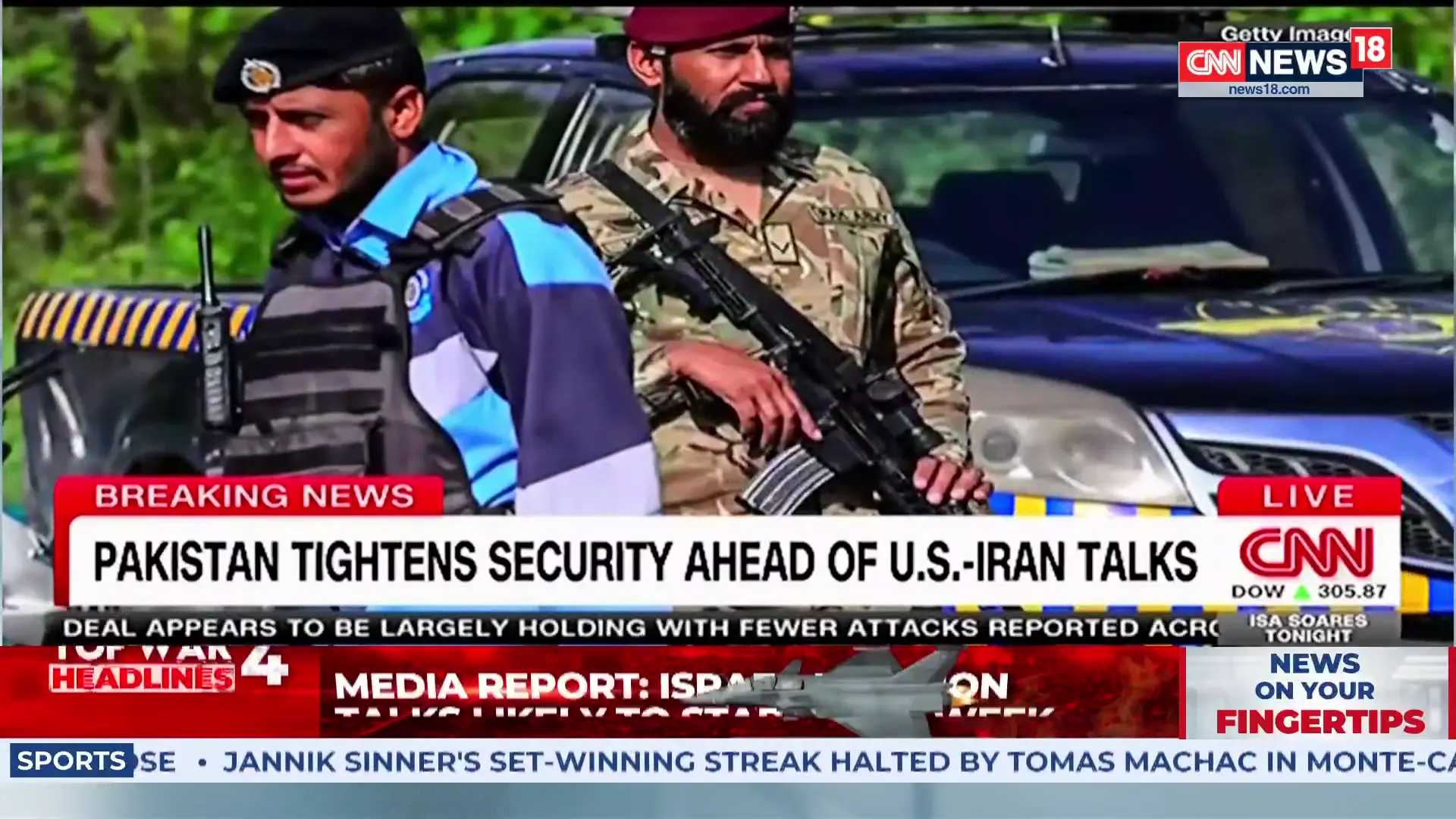
The Strait of Hormuz has become the epicenter of diplomatic brinkmanship, with Iran’s parliament speaker Bahir Ghalibaf warning of ceasefire breaches and drone incursions into Iranian airspace. The U.S. administration’s response remains uncertain, but the potential for a wider conflict looms large. Meanwhile, Pakistan’s Prime Minister Shahbaz Sharif has found himself at the center of a credibility crisis, with his mediation efforts in the U.S.-Iran ceasefire mired in confusion over Lebanon’s inclusion in the agreement. Analysts are questioning whether Pakistan has jumped the gun in its diplomatic overtures, and the fallout could further destabilize the region.
India’s foreign policy is under the microscope as External Affairs Minister Hardeep S. Puri undertakes a critical visit to Qatar and the UAE to secure energy supplies amid the Strait of Hormuz disruptions. The diplomatic push comes as India grapples with the economic implications of the conflict, including rising oil prices and supply chain disruptions. Puri’s meetings with Gulf partners are seen as a strategic effort to mitigate the fallout from the crisis, which has already sent shockwaves through global energy markets.
The political landscape in West Bengal is heating up as Prime Minister Narendra Modi’s BJP campaign faces scrutiny over unemployment policies and job creation guarantees. Opposition leaders, including Mamata Banerjee and Rahul Gandhi, have seized on the economic fallout of the conflict to challenge the government’s handling of the crisis. Meanwhile, voter turnout in Assam, Kerala, and Puducherry has surged, reflecting the heightened political awareness among citizens amid the turmoil.
Press Monitor Clips: Iran-U.S. Negotiations: Ceasefire Breaches and Diplomatic Tensions; India-UAE Ministerial Visit and Gulf Relations; Bengal Assembly Poll Campaign
Top Business News, Issues and People
The global economy is bearing the brunt of the Middle East conflict, with the Strait of Hormuz emerging as the world’s most critical chokepoint. Iran’s closure of the strait, citing ceasefire violations, has sent oil prices soaring and disrupted supply chains for India, the UAE, and other Gulf partners. The economic fallout is being felt across sectors, from shipping and logistics to energy and manufacturing, with analysts warning of prolonged disruptions if the crisis escalates.
India’s energy diplomacy is in overdrive as Hardeep S. Puri’s visits to Qatar and the UAE highlight the country’s urgent need to secure LPG and LNG supplies. The diplomatic push comes as India grapples with the economic implications of the Strait of Hormuz closure, which threatens to derail its energy security. The discussions with Gulf partners are seen as a critical step in mitigating the fallout from the crisis, which has already sent shockwaves through global energy markets.
The shipping industry is under unprecedented pressure as the Strait of Hormuz becomes a flashpoint for geopolitical tensions. Iran’s proposed toll system for vessels passing through the strait has raised concerns about the economic implications for global trade. Analysts warn that the rising costs of wartime insurance and seafarer safety concerns could further destabilize maritime commerce, with Lloyds of London and other insurers already adjusting premiums to reflect the heightened risks.
Global markets are reacting sharply to the escalating tensions, with the Sensex and Nifty indices declining as investors grapple with the uncertainty. The economic fallout of the conflict is being felt across sectors, from energy and manufacturing to technology and services. Analysts warn that the prolonged crisis could trigger a broader market correction, particularly if the Strait of Hormuz remains closed or if the conflict spreads to other regions.
The U.S. administration’s response to the crisis is under scrutiny, with critics arguing that its bluster and lack of diplomatic engagement are exacerbating the situation. The economic implications of the conflict are being felt globally, with the U.S. and Europe particularly vulnerable to the fallout. Analysts warn that the prolonged crisis could trigger a shift in global power dynamics, with countries like China and India emerging as key players in the new multipolar world order.
Press Monitor Clips: India's Energy Diplomacy: Qatar and UAE Visits; Shipping Industry Under Pressure: Strait of Hormuz Toll Fees; Global markets reaction to US-Iran tensions and geopolitical developments
Top Sports News, Issues and People
There are no sports segments selected for today’s roundup.
Other Top News, Issues and People
The Jeffrey Epstein scandal has resurfaced with new defamation claims, as CNN interviews individuals denying any relationship with the convicted sex offender. The segment focuses on the ethical standards of Epstein’s social circles and the broader implications of his criminal undertakings. Meanwhile, Donald Trump’s role in the Israel-U.S. ceasefire dynamics has come under scrutiny, with analysts questioning his influence over Netanyahu’s war goals and Lebanon’s involvement in the negotiations.
Iran’s strategic narrative around the ceasefire has been dissected in panel discussions, with analysts emphasizing the country’s insistence on nuclear rights and its avoidance of humiliation. The diplomatic language is being interpreted as deterrent messaging rather than a genuine peace declaration, raising concerns about the fragility of the agreement. Meanwhile, Israel’s military actions in Lebanon and its uncompromising stance on territorial claims have drawn criticism from the UN and international observers.
Pakistan’s diplomatic and economic claims have been scrutinized in multiple segments, with analysts questioning the credibility of its ceasefire mediation efforts. The country’s proposed economic deals, including the sale of JF-17 fighter jets and a cryptocurrency partnership, have been met with skepticism, with critics arguing that Pakistan lacks the follow-through to deliver on its promises. The segment also highlights the mixed signals from Pakistan’s leadership, which has struggled to maintain a coherent stance amid the crisis.
The Israel-Palestinian conflict remains a flashpoint, with analysts debating Israel’s uncompromising stance and its historical context. The segment explores the role of resistance movements like Hamas and Hezbollah, as well as the UN resolutions that have shaped the conflict. Critics argue that Israel’s position is irrational and uncompromising, with little room for diplomatic engagement. Meanwhile, the fragility of the ceasefire between Israel and Iran continues to dominate headlines, with military strikes in Lebanon and the Strait of Hormuz adding to the tension.
Press Monitor Clips: Pakistan's Role in U.S.-Iran Ceasefire and Lebanon Dispute; Hidden Truths Behind Bengal Border Conflicts; Iran's Ceasefire Termination Threat and Hezbollah Analysis