West Asia on the Brink: Trump’s Iran Gamble, Hezbollah-Israel Tensions and the Global Oil Shock


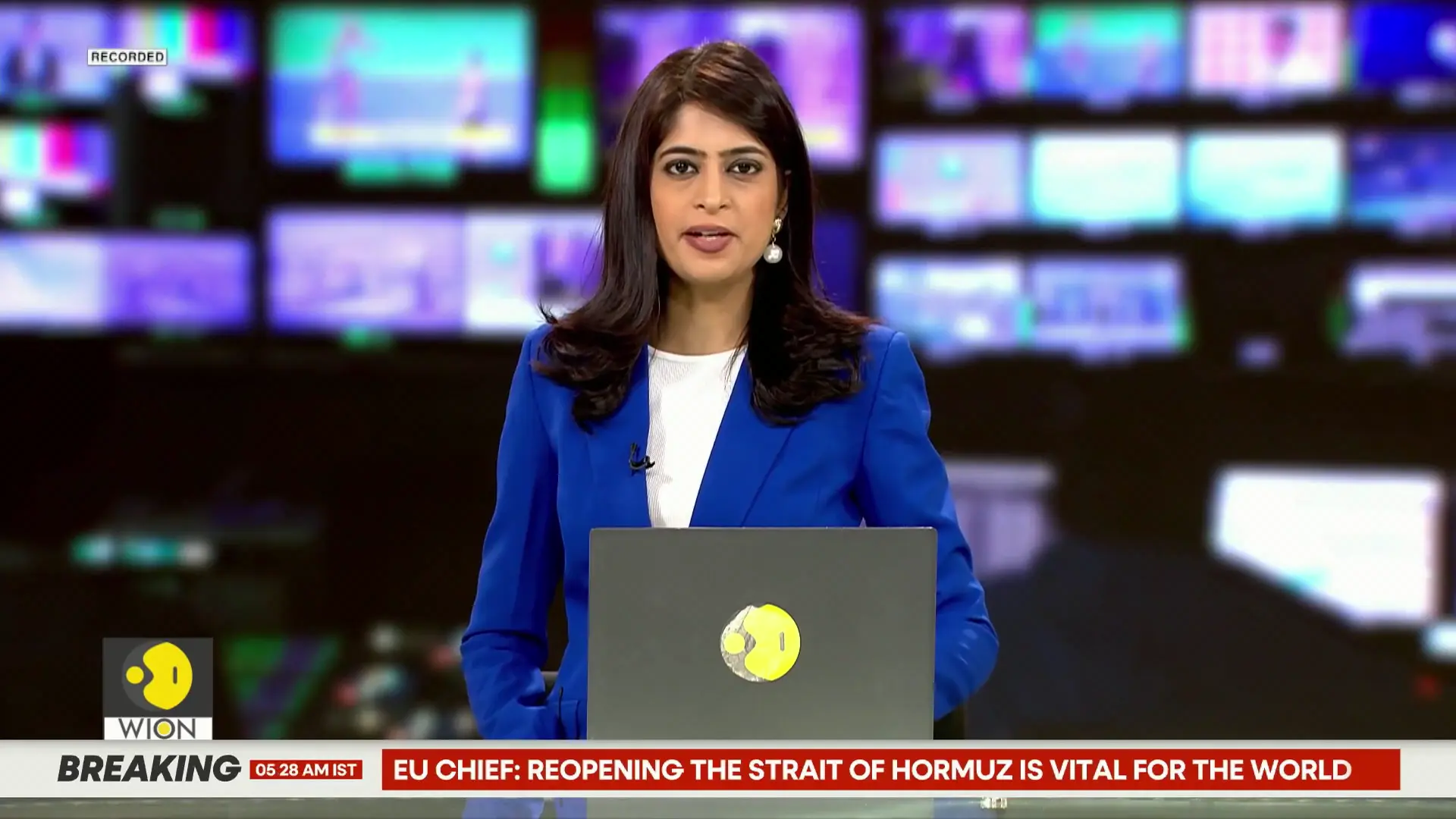
Lead: West Asia teeters on the edge of a wider conflict as U.S.-Iran talks stall, Hezbollah-Israel clashes intensify and oil prices surge past $107 per barrel. The region’s stability now hinges on a fragile ceasefire, high-stakes diplomacy in Islamabad and Washington’s next military move. Today’s wion Power Monitor brings together the sharpest analysis, breaking updates and exclusive interviews to decode the crisis that could reshape global energy markets, military balances and political futures.
The U.S.-Iran Showdown: Diplomacy or Escalation?
The White House has sent a high-powered envoy team—Steve Witkoff and Jared Kushner—to Islamabad for a second round of U.S.-Iran negotiations with Iranian Foreign Minister Abbas Araqchi. The talks come as President Donald Trump faces a 60-day deadline under the War Powers Resolution to secure congressional approval for any military action against Iran. Panel discussions reveal deep divisions within Trump’s own party, with JD Vance and Republican lawmakers warning that further escalation could trigger a regional war with unpredictable consequences.
At the same time, U.S. military posture in the Strait of Hormuz has intensified, with reports of aircraft carrier deployments and threats to Iranian naval assets. The Pentagon’s strategy appears to be a calibrated show of force designed to pressure Tehran without triggering an all-out conflict. Yet, Iranian Supreme Leader Ayatollah Ali Khamenei remains defiant. Despite suffering severe injuries in a recent U.S.-Israeli airstrike—including the loss of his father, wife, and son—Khamenei has continued to issue written statements and oversee military operations from a secure location. Iranian state media insists the leadership remains unified, directly contradicting Trump’s public claims that Iran’s government is ‘fractured and unstable.’
Hezbollah and Israel: A Ceasefire Under Strain
The three-week ceasefire between Israel and Hezbollah is holding, but barely. Israeli Prime Minister Benjamin Netanyahu has warned that any further rocket attacks from southern Lebanon will trigger immediate retaliation. Meanwhile, Lebanese officials report that over 12,000 civilians have been displaced by Israeli airstrikes in the Tulin area, raising urgent concerns about a humanitarian crisis. The United Nations has issued repeated alarms, calling for an immediate extension of the ceasefire and increased international mediation.
Behind the scenes, U.S. diplomats are working to prevent the conflict from spiraling into a full-scale war. But with Iran’s Islamic Revolutionary Guard Corps (IRGC) and Hezbollah receiving direct support from Tehran, the risk of miscalculation remains dangerously high. Regional observers warn that a single misstep—whether a misidentified target or a rogue strike—could plunge the region into chaos.
The Global Oil Shock: Markets React to Geopolitical Turmoil
Oil markets are in turmoil. Brent crude has surged past $107 per barrel, while U.S. oil is trading near $97, driven by fears of supply disruptions in the Strait of Hormuz. The International Energy Agency (IEA) has warned that prolonged tensions could lead to severe energy shortages by 2027, with global LNG supplies already showing signs of strain. European leaders, including French President Emmanuel Macron, are calling for urgent diplomatic solutions to stabilize energy markets and prevent a broader economic crisis.
In India, Finance Minister Pete Hexitt has cautioned that rising oil prices could derail the country’s economic recovery, particularly in the tech sector where institutional outflows have already hit $1.2 billion this quarter. JP Morgan analysts describe the current market environment as a ‘strategic battleground,’ with investors torn between geopolitical risk and long-term growth potential in emerging markets.
The Broader Geopolitical Chessboard
Beyond West Asia, tensions are rising in Europe. NATO and Russian forces are engaged in escalating military drills in the Baltic Sea, with French nuclear-capable jets participating in NATO exercises while Russian bombers probe NATO airspace. The standoff has revived Cold War-era fears of nuclear confrontation, with Polish and French leaders emphasizing the need for deterrence and dialogue.
Meanwhile, the European Union and the United States have agreed to coordinate critical mineral supplies for defense industries, a move analysts say is designed to reduce dependence on China. The deal comes as the EU seeks to strengthen its strategic autonomy amid growing concerns over Beijing’s dominance in rare earth elements and semiconductor supply chains.
Elections, Scandals and Political Shifts
In India, Prime Minister Narendra Modi’s Bharatiya Janata Party (BJP) is locked in a tight race with Mamata Banerjee’s Trinamool Congress (TMC) in the West Bengal Assembly elections. The Supreme Court has intervened to ensure free and fair polling, but tensions remain high as both sides accuse each other of electoral malpractice. The outcome could reshape India’s political landscape ahead of the 2024 general elections.
Back in Washington, the Trump administration is facing a new scandal: the abrupt ouster of the U.S. Navy Secretary amid allegations of conflicts with the president over shipbuilding projects. Trump’s aggressive push for a new fleet of hypersonic-armed warships—dubbed ‘Trump Class’ ships—has sparked a political firestorm, with critics questioning the feasibility and cost of the plan. Estimates suggest the program could exceed $17 billion, raising concerns about fiscal responsibility and military readiness.
Sports, Culture and the Human Story
Amid the geopolitical storm, the world of sports offers a brief respite. The Madrid Open tennis tournament continues with defending champion Alina Rabikina facing a tough challenge from rising star Shin Benjenk. Meanwhile, UEFA has banned Benfica’s Gianluca Prestiani for six games following homophobic conduct during a Champions League match, sending a strong message about inclusion in European football.
On the cultural front, the Indian film industry is celebrating a new milestone: the Dhurandar and Bahubali franchises have crossed the ₹3,000 crore mark globally, cementing their status as India’s first true cinematic phenomena. Aditya Dhar, the producer behind Dhurandar, credits the success to ‘storytelling that transcends borders,’ a sentiment that resonates in an era of rising nationalism and cultural fragmentation.
What’s Next?
The coming days will be critical. Will the U.S.-Iran talks in Islamabad yield a breakthrough, or will the region lurch toward war? Can the ceasefire between Israel and Hezbollah hold, or will a single incident trigger a wider conflict? And how will global markets respond to sustained oil price volatility? One thing is clear: the decisions made in the next 72 hours could determine the trajectory of West Asia—and the world—for years to come.
Press Monitor Clips:
U.S.-Iran Talks Update; Trump Administration Policy on Iran; Israel-Lebanon Conflict Deep Dive