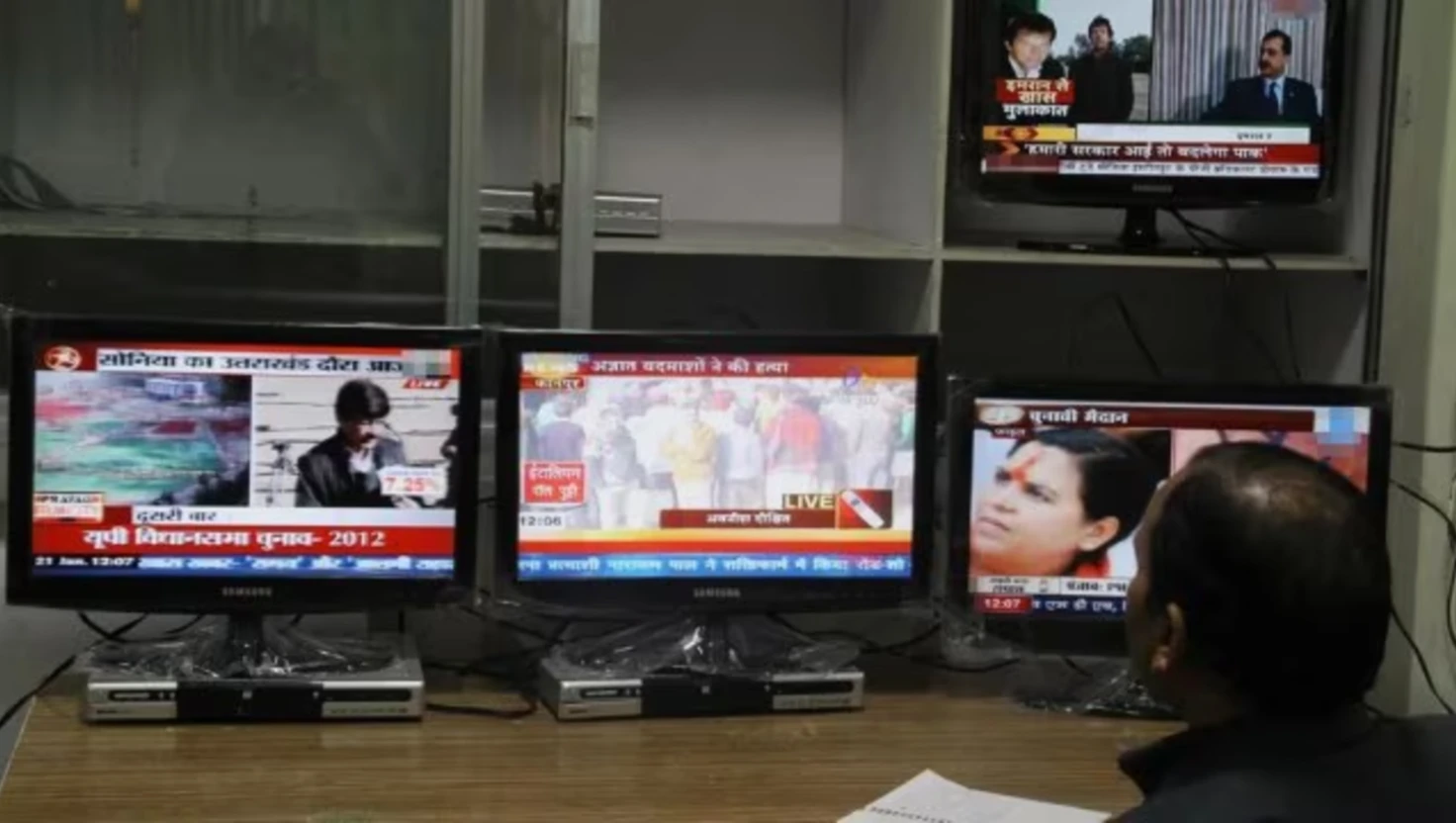
Indian Government Justifies 26% Rise in Print Advertising Rates


The Ministry of Information and Broadcasting in India has defended its recent decision to increase government print advertising rates by 26%. The ministry asserts that this adjustment is essential to address rising input costs and to maintain the financial stability of newspapers across the country. This clarification was made following queries in the Lok Sabha, India's lower house of Parliament, about the financial and editorial consequences of this hike at a time when multiple ministries are reportedly facing budget constraints.
Minister of State for Information and Broadcasting, L. Murugan, provided a written response indicating that the rate revision aligns with the recommendations of the 9th Rate Structure Committee (RSC). This committee was established on 11 November 2021 to assess the cost structures of the print media and to recommend changes to the Directorate of Advertising and Visual Publicity (DAVP) rate card.
Extensive Consultations
The RSC engaged with various industry stakeholders, including the Indian Newspaper Society (INS), the All India Small Newspapers Association (AISNA), and representatives from small, medium, and large publications. Its evaluation focused on several cost factors such as the rise in newsprint prices, inflation affecting production costs, the price of imported paper, employee wages, and other operational expenses.
Minister Murugan stated that the government has fully accepted the committee's recommendations, which include adjustments related to colour advertising premiums and the positioning of advertisements—both significant revenue sources for print media.
According to the Ministry, the new rates consider “rising input costs and increasing competition” that print media faces from digital platforms. This shift has notably altered audience and advertiser behaviours.
While the government did not offer a specific financial assessment regarding the implications of the 26% increase on taxpayer-funded publicity expenditures across different ministries, this issue was a primary concern raised by Members of Parliament (MPs). The response also lacked details on whether smaller publications would be at a disadvantage compared to larger media houses. Nevertheless, it was emphasized that the increased revenue could help sustain operations across the industry.
Minister Murugan noted that these raised rates would “strengthen local news ecosystems” and enhance content creation, particularly for print organisations dealing with escalating overheads.
The ministry did not commit to publishing the complete RSC report or any dissenting opinions. Additionally, it did not directly address MPs' concerns regarding the potential for larger advertising budgets to influence editorial independence.
Despite the increasing trend towards digital media consumption, Murugan highlighted that print media remains crucial for disseminating official information, especially in regional markets with high newspaper circulation. He asserted that the revised rate structure aims to ensure the sustainability of these media outlets while also facilitating more effective communication with citizens.
This government decision occurs amidst ongoing discussions about the financial sustainability of traditional media and the changing dynamics of state-funded advertising, which serves as a vital revenue stream for many Indian publications.

US Expands Social Media Screening for H-1B Visa Applicants

Indian Man Arrested for Offensive Social Media Post on Hinduism
Journalist body alarmed by Maharashtra’s use of AI to monitor media
Media Monitoring will provide "facts" in case of negative news, says Maharashtra CM Fadnavis